Bills · S 3316
IN COMMITTEE· 119TH CONGRESS
Senate BillS 3316Environmental Protection
WATER Act of 2025
INTRO DEC 3· LAST ACTION DEC 3
READING
12MIN
COSPONSORS
1
READER REACTIONS0 TOTAL
NO VOTES YET · BE THE FIRST
- Introduced only
LEGISLATIVE PROGRESS
STEP 2 / 8Introduced
In Committee
Reported
Passed Senate
Passed House
Conference
To President
Became Law
WHAT THE BILL DOES
AI-writtenVoters should care about this bill because it aims to speed up the construction of important transportation projects like new highways, rail lines, and public transit by changing who approves permits for work in waterways. If this bill becomes law, states could take over this approval process from federal agencies like the Army Corps of Engineers, potentially reducing delays caused by federal review timelines. This could mean infrastructure projects get built faster, which could lead to economic benefits, improved commutes, or new transportation options sooner.
However, if this bill doesn't pass, these permits will continue to be handled solely by federal agencies, maintaining the current review timelines. The shift in authority raises questions about whether state-level environmental reviews will be as rigorous as federal ones, even though the bill requires states to follow the same substantive and procedural rules. Therefore, this bill could impact not only the pace of infrastructure development but also the level of environmental scrutiny applied to these projects affecting rivers, lakes, and wetlands.
KEY PROVISIONS
5AI-extractedPROVISION 01
Establishes the Waterway Permit Section 404 Assignment program, requiring the EPA and Secretary of the Army to jointly set it up within 60 days of the bill becoming law.
This creates the federal framework for states to take over certain permitting responsibilities for transportation projects.
PROVISION 02
Allows states to assume federal responsibilities for permits under Section 404 of the Clean Water Act and Section 10 of the Rivers and Harbors Act for highway, railroad, and public transportation projects.
This is the core transfer of authority, shifting environmental permitting decisions for major infrastructure to states.
PROVISION 03
States assuming these responsibilities must also take on related federal environmental reviews (e.g., National Environmental Policy Act, Endangered Species Act) and follow the same procedural and substantive requirements as the federal government.
Ensures that environmental protections are maintained even when permit authority shifts to states.
PROVISION 04
States participating in the program can use federal highway funds for attorneys' fees directly related to eligible activities for these covered projects.
Provides financial support for states to manage the legal aspects of their new permitting duties.
PROVISION 05
Requires states to give public notice and solicit comments on their intention to participate in the program at least 30 days before submitting an application.
Ensures transparency and public engagement in the decision for a state to join the program.
SPONSORSHIP
1 + 1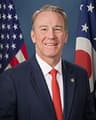
R· Ohio
YRS IN OFFICE
1
BILLS LED
55
COSPONSOR BREAKDOWNBIPARTISAN · 0%
DEM 0 REP 1 IND 0
ACTION TIMELINE
2 EVENTSDEC 3
Introduced in Senate
DEC 3
Read twice and referred to the Committee on Environment and Public Works.
BILL INFO
TypeSenate Bill
NumberS 3316
Congress119th
StatusIn Committee
IntroducedDec 3, 2025
Last actionDec 3, 2025
READER REACTIONS
OVERALL SENTIMENT
No reactions yet. Be the first to weigh in.
Discussion
Loading comments...
IN COMMITTEE· 119TH CONGRESS · ENVIRONMENT AND PUBLIC WORKS COMMITTEE · INTRODUCED DEC 3, 2025
Senate BillS 3316Environmental Protection
WATER Act of 2025
INTRODUCED DEC 3, 2025· LAST ACTION DEC 3, 2025
PASSAGE CHANCES
—%
READING
12 min
COSPONSORS
1
COMPLEXITY
Moderate