Bills · S 330
IN COMMITTEE· 119TH CONGRESS
Senate BillS 330Civil actions and liabilityForeign property
CCP IP Act
INTRO JAN 30· LAST ACTION JUL 23
READING
7MIN
COSPONSORS
1
READER REACTIONS0 TOTAL
NO VOTES YET · BE THE FIRST
- Introduced only
LEGISLATIVE PROGRESS
STEP 2 / 8Introduced
In Committee
Reported
Passed Senate
Passed House
Conference
To President
Became Law
WHAT THE BILL DOES
AI-writtenVoters should care about this bill because intellectual property theft can significantly harm American businesses and the U.S. economy. When foreign entities steal innovations, trade secrets, or copyrighted materials, it can lead to job losses, reduced investment in research and development, and a loss of competitive edge for American companies. This bill aims to protect American innovation and economic security by imposing direct consequences on those involved in such theft.
If this bill becomes law, it would give the U.S. government stronger tools to deter intellectual property theft from China, potentially safeguarding American jobs and industries. If it doesn't pass, the U.S. would continue to rely on existing, potentially less direct, methods to combat IP theft, which some argue are not sufficient to address the scale of the problem.
KEY PROVISIONS
4AI-extractedPROVISION 01
Requires the President to impose sanctions on Chinese individuals and entities that engage in or benefit from significant intellectual property theft from U.S. persons.
This provision creates a direct, mandatory response to combat IP theft, aiming to deter future actions.
PROVISION 02
The sanctions include freezing assets held by the sanctioned individuals or entities in the United States and denying them U.S. visas and entry.
These actions directly impact the financial and travel capabilities of those identified as engaging in IP theft.
PROVISION 03
Restricts U.S. visas for senior Chinese Communist Party officials, China's cabinet members, and active-duty People's Liberation Army members, along with their spouses and children.
This broadens the scope of pressure beyond direct IP thieves, targeting key figures within the Chinese government and military.
PROVISION 04
Allows the President to waive sanctions if it's in the U.S. national security interest or to terminate sanctions if the person stops stealing IP.
This provides flexibility for the executive branch to navigate complex diplomatic and economic relationships.
SPONSORSHIP
1 + 1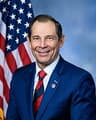
R· Utah
YRS IN OFFICE
8
BILLS LED
52
COSPONSOR BREAKDOWNBIPARTISAN · 0%
DEM 0 REP 1 IND 0
ACTION TIMELINE
3 EVENTSJUL 23
Committee on Small Business and Entrepreneurship. Hearings held.
JAN 30
Introduced in Senate
JAN 30
Read twice and referred to the Committee on Foreign Relations.
BILL INFO
TypeSenate Bill
NumberS 330
Congress119th
StatusIn Committee
IntroducedJan 30, 2025
Last actionJul 23, 2025
READER REACTIONS
OVERALL SENTIMENT
No reactions yet. Be the first to weigh in.
Discussion
Loading comments...
IN COMMITTEE· 119TH CONGRESS · FOREIGN RELATIONS COMMITTEE · INTRODUCED JAN 30, 2025
Senate BillS 330Civil actions and liabilityForeign property
CCP IP Act
INTRODUCED JAN 30, 2025· LAST ACTION JUL 23, 2025
PASSAGE CHANCES
—%
READING
7 min
COSPONSORS
1
COMPLEXITY
Moderate