Bills · S 3266
REPORTED· 119TH CONGRESS
Senate BillS 3266Licensing and registrationsEmployment and training programs
USMMA Athletics Act of 2025
INTRO NOV 20· LAST ACTION FEB 12
READING
8MIN
COSPONSORS
1
READER REACTIONS0 TOTAL
NO VOTES YET · BE THE FIRST
- Reported, not passed
LEGISLATIVE PROGRESS
STEP 3 / 8Introduced
In Committee
Reported
Passed Senate
Passed House
Conference
To President
Became Law
WHAT THE BILL DOES
AI-writtenVoters should care about this bill because it aims to enhance the athletic experience and opportunities for cadets at a federal service academy. Unlike many civilian universities with large athletic budgets and robust fundraising arms, federal academies often rely more heavily on government appropriations, which can be less flexible for specific athletic needs like new equipment, facility upgrades, or specialized coaching.
If this bill becomes law, it would create a dedicated, non-profit entity specifically designed to raise and manage funds for USMMA athletics. This could lead to better-funded sports teams, improved training facilities, and more competitive programs, potentially attracting a wider range of talented students who are both academically strong and athletically gifted. If it doesn't pass, USMMA athletics would continue to rely on existing funding mechanisms, which may limit their ability to grow and provide resources comparable to other collegiate athletic programs, potentially putting them at a disadvantage in terms of cadet recruitment and athlete support.
KEY PROVISIONS
5AI-extractedPROVISION 01
Authorizes the Secretary of Transportation to establish a new 501(c)(3) non-profit corporation.
This creates a dedicated, tax-exempt entity specifically for fundraising and support of USMMA athletic programs.
PROVISION 02
The corporation's stock will be entirely owned by the United States and controlled by the Secretary of Transportation.
This ensures government oversight and accountability over the activities of the new corporation.
PROVISION 03
The Secretary may enter the corporation into contracts, including sole-source agreements, and lease USMMA property to it.
This provides operational flexibility for the corporation to acquire necessary goods, services, and facility access for athletic support.
PROVISION 04
The Secretary may accept funds, supplies, and services from the corporation and other sources like the NCAA for athletic programs.
This formalizes and streamlines the process for USMMA athletics to receive external financial and material support.
PROVISION 05
Department of Transportation employees may serve on the corporation's board for oversight and advice, up to one-third of the board.
This allows for direct government insight and guidance in the corporation's activities without full operational involvement.
SPONSORSHIP
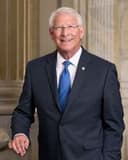
1 + 1
R· Mississippi
YRS IN OFFICE
31
BILLS LED
46
COSPONSOR BREAKDOWNBIPARTISAN · 0%
DEM 1 REP 0 IND 0
ACTION TIMELINE
3 EVENTSFEB 12
Committee on Commerce, Science, and Transportation. Ordered to be reported with an amendment in the nature of a substitute favorably.
NOV 20
Introduced in Senate
NOV 20
Read twice and referred to the Committee on Commerce, Science, and Transportation.
BILL INFO
TypeSenate Bill
NumberS 3266
Congress119th
StatusReported
IntroducedNov 20, 2025
Last actionFeb 12, 2026
READER REACTIONS
OVERALL SENTIMENT
No reactions yet. Be the first to weigh in.
Discussion
Loading comments...
REPORTED· 119TH CONGRESS · COMMERCE, SCIENCE, AND TRANSPORTATION COMMITTEE · INTRODUCED NOV 20, 2025
Senate BillS 3266Licensing and registrationsEmployment and training programs
USMMA Athletics Act of 2025
INTRODUCED NOV 20, 2025· LAST ACTION FEB 12, 2026
PASSAGE CHANCES
—%
READING
8 min
COSPONSORS
1
COMPLEXITY
Moderate