Bills · S 3261
IN COMMITTEE· 119TH CONGRESS
Senate BillS 3261Taxation
Human Trafficking Survivor Tax Relief Act
INTRO NOV 20· LAST ACTION NOV 20
READING
2MIN
COSPONSORS
3BIPARTISAN
READER REACTIONS0 TOTAL
NO VOTES YET · BE THE FIRST
- Introduced only
LEGISLATIVE PROGRESS
STEP 2 / 8Introduced
In Committee
Reported
Passed Senate
Passed House
Conference
To President
Became Law
WHAT THE BILL DOES
AI-writtenVoters should care about this bill because it addresses a specific financial burden faced by individuals who have endured severe trauma. When human trafficking survivors receive compensation, it is intended to help them recover, rebuild their lives, and address the significant costs associated with their experience, such as therapy, medical care, housing, and lost wages.
If this bill becomes law, survivors will not have to pay taxes on this critical financial aid, allowing them to retain 100% of the funds meant for their healing and stability. If it doesn't become law, these survivors may continue to see a portion of their compensation deducted for federal income taxes, reducing the overall impact of the financial awards intended to support them through their recovery.
KEY PROVISIONS
3AI-extractedPROVISION 01
Excludes restitution and civil damages for human trafficking from gross income.
This is the core change, allowing survivors to keep more of their awarded compensation without federal taxation.
PROVISION 02
Specifies that the excluded amounts must be awarded under sections 1593 (criminal restitution) or 1595 (civil actions) of Title 18, United States Code.
This limits the tax exemption to compensation specifically related to human trafficking under federal law, ensuring targeted relief.
PROVISION 03
Applies the changes to taxable years beginning after the date the bill becomes law.
This establishes when the new tax exemption would take effect, providing a clear start date for its application.
SPONSORSHIP
1 + 3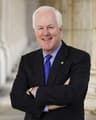
R· Texas
YRS IN OFFICE
23
BILLS LED
136
COSPONSOR BREAKDOWNBIPARTISAN · 66%
DEM 2 REP 1 IND 0
ACTION TIMELINE
2 EVENTSNOV 20
Introduced in Senate
NOV 20
Read twice and referred to the Committee on Finance.
BILL INFO
TypeSenate Bill
NumberS 3261
Congress119th
StatusIn Committee
IntroducedNov 20, 2025
Last actionNov 20, 2025
READER REACTIONS
OVERALL SENTIMENT
No reactions yet. Be the first to weigh in.
Discussion
Loading comments...
IN COMMITTEE· 119TH CONGRESS · FINANCE COMMITTEE · INTRODUCED NOV 20, 2025
Senate BillS 3261Taxation
Human Trafficking Survivor Tax Relief Act
INTRODUCED NOV 20, 2025· LAST ACTION NOV 20, 2025
PASSAGE CHANCES
—%
READING
2 min
COSPONSORS
3
COMPLEXITY
Moderate