Bills · S 3215
IN COMMITTEE· 119TH CONGRESS
Senate BillS 3215Labor and Employment
Putting American Workers First Act
INTRO NOV 19· LAST ACTION NOV 19
READING
3MIN
COSPONSORS
4
READER REACTIONS0 TOTAL
NO VOTES YET · BE THE FIRST
- Introduced only
LEGISLATIVE PROGRESS
STEP 2 / 8Introduced
In Committee
Reported
Passed Senate
Passed House
Conference
To President
Became Law
WHAT THE BILL DOES
AI-writtenThis bill matters because it significantly changes the rules for employers and labor unions regarding who can be hired and who can be represented in the workplace. If it becomes law, it would intensify the pressure on businesses to use federal employment verification systems, making it harder for unauthorized workers to find jobs and potentially increasing the administrative burden on employers.
For unions, it could mean they are legally barred from advocating for a segment of their current or potential members, fundamentally altering their role in protecting worker rights across the board. Voters should care because it could shift the dynamics of the American workforce, affecting labor disputes, union power, and the employment landscape for both authorized and unauthorized workers, with potential impacts on wages and employment practices in various industries.
KEY PROVISIONS
4AI-extractedPROVISION 01
Makes it an 'unfair labor practice' for an employer to hire or recruit an individual not authorized to work in the U.S.
This adds a new legal risk for employers under labor law, pushing them to rigorously verify employment eligibility.
PROVISION 02
Makes it an 'unfair labor practice' for a labor union to represent an individual not authorized to work in the U.S. for collective bargaining.
This would restrict unions' ability to represent certain workers, potentially changing union membership and advocacy.
PROVISION 03
Provides an exception for employers and unions if they make a 'good-faith effort' to verify employment status using an employment verification system.
This encourages the use of systems like E-Verify and provides a legal defense against the new unfair labor practice charges.
PROVISION 04
Clarifies that firing an unauthorized alien is not considered evidence of anti-union bias or retaliation under specific sections of the National Labor Relations Act.
This protects employers from certain legal claims if they terminate unauthorized workers, even if the worker is involved in union activities.
SPONSORSHIP
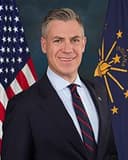
1 + 4
R· Indiana
YRS IN OFFICE
9
BILLS LED
99
COSPONSOR BREAKDOWNBIPARTISAN · 0%
DEM 0 REP 4 IND 0
ACTION TIMELINE
2 EVENTSNOV 19
Introduced in Senate
NOV 19
Read twice and referred to the Committee on Health, Education, Labor, and Pensions.
BILL INFO
TypeSenate Bill
NumberS 3215
Congress119th
StatusIn Committee
IntroducedNov 19, 2025
Last actionNov 19, 2025
READER REACTIONS
OVERALL SENTIMENT
No reactions yet. Be the first to weigh in.
Discussion
Loading comments...
IN COMMITTEE· 119TH CONGRESS · HEALTH, EDUCATION, LABOR, AND PENSIONS COMMITTEE · INTRODUCED NOV 19, 2025
Senate BillS 3215Labor and Employment
Putting American Workers First Act
INTRODUCED NOV 19, 2025· LAST ACTION NOV 19, 2025
PASSAGE CHANCES
—%
READING
3 min
COSPONSORS
4
COMPLEXITY
Moderate