Bills · S 3211
IN COMMITTEE· 119TH CONGRESS
Senate BillS 3211Labor and Employment
Recognizing the Role of Direct Support Professionals Act
INTRO NOV 19· LAST ACTION NOV 19
READING
4MIN
COSPONSORS
10
READER REACTIONS0 TOTAL
NO VOTES YET · BE THE FIRST
- Introduced only
- Commemorative
LEGISLATIVE PROGRESS
STEP 2 / 8Introduced
In Committee
Reported
Passed Senate
Passed House
Conference
To President
Became Law
WHAT THE BILL DOES
AI-writtenVoters should care about this bill because it addresses a critical, yet often overlooked, workforce that supports some of the most vulnerable members of our society: individuals with intellectual and developmental disabilities. When direct support professionals are hard to find or frequently leave their jobs, it creates instability for the people who rely on their services for daily living, community involvement, and achieving personal goals.
By pushing for a specific job category for DSPs, the bill aims to improve the quality and accuracy of government data about this workforce. If this becomes law and OMB creates the separate code, federal and state governments will have a clearer picture of workforce shortages and turnover rates. This better data can then be used to develop more targeted solutions—like improved training, recruitment, or funding for higher wages—to stabilize this essential profession. If it doesn't become law, the current data gaps will persist, making it harder to address the ongoing challenges in providing consistent, high-quality care for individuals with disabilities.
KEY PROVISIONS
3AI-extractedPROVISION 01
Requires the Office of Management and Budget (OMB) to consider creating a separate job category (code) for direct support professionals within the government's Standard Occupational Classification system.
This aims to provide a more accurate statistical representation of this crucial workforce, which is essential for data-driven policy making.
PROVISION 02
Mandates OMB to submit a report to Congress explaining its decision if it chooses *not* to establish a separate code for direct support professionals.
This ensures transparency and accountability from OMB regarding their classification decision, providing a reason for their choice.
PROVISION 03
Clarifies that no new federal funds are authorized specifically for carrying out the requirements of this Act.
This indicates that the proposed changes are expected to be implemented using existing resources and budgets.
SPONSORSHIP
1 + 10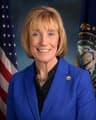
D· New Hampshire
YRS IN OFFICE
9
BILLS LED
55
COSPONSOR BREAKDOWNBIPARTISAN · 44%
DEM 7 REP 2 IND 1
ACTION TIMELINE
2 EVENTSNOV 19
Introduced in Senate
NOV 19
Read twice and referred to the Committee on Homeland Security and Governmental Affairs.
BILL INFO
TypeSenate Bill
NumberS 3211
Congress119th
StatusIn Committee
IntroducedNov 19, 2025
Last actionNov 19, 2025
READER REACTIONS
OVERALL SENTIMENT
No reactions yet. Be the first to weigh in.
Discussion
Loading comments...
IN COMMITTEE· 119TH CONGRESS · HOMELAND SECURITY AND GOVERNMENTAL AFFAIRS COMMITTEE · INTRODUCED NOV 19, 2025
Senate BillS 3211Labor and Employment
Recognizing the Role of Direct Support Professionals Act
INTRODUCED NOV 19, 2025· LAST ACTION NOV 19, 2025
PASSAGE CHANCES
—%
READING
4 min
COSPONSORS
10
COMPLEXITY
Moderate