Bills · S 3127
IN COMMITTEE· 119TH CONGRESS
Senate BillS 3127Agriculture and Food
Farm to School Act of 2025
INTRO NOV 6· LAST ACTION NOV 6
READING
7MIN
COSPONSORS
3BIPARTISAN
READER REACTIONS0 TOTAL
NO VOTES YET · BE THE FIRST
- Introduced only
LEGISLATIVE PROGRESS
STEP 2 / 8Introduced
In Committee
Reported
Passed Senate
Passed House
Conference
To President
Became Law
WHAT THE BILL DOES
AI-writtenThis bill matters because it helps ensure that schools and colleges can continue to source fresh, healthy food directly from local farms, which can improve the quality of meals for students. By expanding the program, it supports local economies by creating new markets for farmers and helps keep agricultural land productive. Voters should care because it addresses several important issues: childhood nutrition and health, the economic viability of local farms, and agricultural education.
If this bill becomes law, more schools and land-grant colleges will have the resources to buy local food, start gardens, and teach about where food comes from, potentially leading to healthier eating habits and a better understanding of food systems among young people. If it doesn't pass, the existing program might not be able to continue or expand its reach, limiting opportunities for schools to connect with local food sources and for farmers to sell to institutions, potentially hindering local food initiatives and related educational efforts.
KEY PROVISIONS
5AI-extractedPROVISION 01
Expands eligibility for the Farm to School Program to include land-grant colleges and universities, in addition to K-12 schools.
This significantly broadens the reach of the program, allowing more students and communities to benefit from local food procurement and agricultural education.
PROVISION 02
Broadens the definition of "farm to school program" activities to include planting and maintenance of gardens, procurement from local producers, and educational activities relating to agriculture, nutrition, or food.
This allows for a more holistic approach to farm-to-school initiatives, supporting both food sourcing and experiential learning.
PROVISION 03
Sets a maximum grant amount of $500,000 per recipient over three years and emphasizes improving local food procurement and distribution, including funding for innovative approaches to aggregation, processing, and transportation.
This provides clear funding limits and a strategic focus on strengthening the entire local food supply chain for institutions.
PROVISION 04
Allows the Secretary to waive or modify matching fund requirements, especially for high-priority projects, and permits Tribal agencies to use other federal funds for their matching share.
This reduces financial barriers for communities and organizations, making the program more accessible, particularly for Tribal communities.
PROVISION 05
Establishes new priority criteria for grants, including projects that address chronic diet-related health issues, expand local commodity selection, and serve children from socially disadvantaged backgrounds, with highest priority for Tribal community projects incorporating traditional foods.
This directs resources towards projects with significant health, equity, and cultural relevance, maximizing the program's impact.
SPONSORSHIP
1 + 3
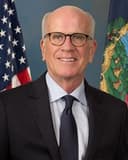
D· Vermont
YRS IN OFFICE
19
BILLS LED
83
COSPONSOR BREAKDOWNBIPARTISAN · 66%
DEM 2 REP 1 IND 0
ACTION TIMELINE
2 EVENTSNOV 6
Introduced in Senate
NOV 6
Read twice and referred to the Committee on Agriculture, Nutrition, and Forestry.
BILL INFO
TypeSenate Bill
NumberS 3127
Congress119th
StatusIn Committee
IntroducedNov 6, 2025
Last actionNov 6, 2025
READER REACTIONS
OVERALL SENTIMENT
No reactions yet. Be the first to weigh in.
Discussion
Loading comments...
IN COMMITTEE· 119TH CONGRESS · AGRICULTURE, NUTRITION, AND FORESTRY COMMITTEE · INTRODUCED NOV 6, 2025
Senate BillS 3127Agriculture and Food
Farm to School Act of 2025
INTRODUCED NOV 6, 2025· LAST ACTION NOV 6, 2025
PASSAGE CHANCES
—%
READING
7 min
COSPONSORS
3
COMPLEXITY
Moderate