Bills · S 2890
IN COMMITTEE· 119TH CONGRESS
Senate BillS 2890Transportation and Public Works
GREEN Streets Act
INTRO SEP 18· LAST ACTION SEP 18
READING
15MIN
COSPONSORS
4
READER REACTIONS0 TOTAL
NO VOTES YET · BE THE FIRST
- Introduced only
LEGISLATIVE PROGRESS
STEP 2 / 8Introduced
In Committee
Reported
Passed Senate
Passed House
Conference
To President
Became Law
WHAT THE BILL DOES
AI-writtenVoters should care about this bill because it shifts how billions of dollars in federal transportation funding are spent, moving away from a primary focus on expanding vehicle capacity to one that also prioritizes environmental protection and sustainable travel. If this becomes law, it means future transportation projects will be evaluated not just on traffic flow, but also on their contribution to climate change, air quality, and the availability of alternatives to driving. This could lead to cleaner air in communities, particularly those already burdened by pollution, and potentially reduce traffic congestion by encouraging more people to use public transit, bikes, or walk.
If it doesn't become law, transportation planning would likely continue under existing frameworks, which may not place the same emphasis on climate change mitigation, greenhouse gas reductions, or rigorous analysis of vehicle miles traveled for new road projects. This could mean continued reliance on car-centric infrastructure, potentially contributing to ongoing climate challenges, air quality issues, and limited options for those who prefer or need to travel without a personal vehicle.
KEY PROVISIONS
5AI-extractedPROVISION 01
Adds 'combating climate change' as a new national goal for federal-aid highway programs, requiring consideration of projects to reduce greenhouse gas emissions and improve transportation system resilience.
This provision directly ties federal highway funding and planning to climate change mitigation and adaptation.
PROVISION 02
Requires the Secretary of Transportation to establish minimum standards for states to decrease per capita vehicle miles traveled (VMT) and reduce greenhouse gas emissions, aiming for net-zero emissions.
This sets concrete, measurable goals for states to reduce driving and pollution, with federal oversight.
PROVISION 03
Mandates that metropolitan planning organizations (MPOs) conduct and publish analyses of impacts on VMT, greenhouse gas emissions, and non-single-occupancy-vehicle trips before approving major road expansion projects.
This ensures that environmental and travel behavior impacts are thoroughly considered and publicly known for large road projects before they are built.
PROVISION 04
Requires MPOs to demonstrate that new single-occupancy vehicle capacity projects are more cost-effective than alternatives (like public transit or operational improvements) and align with existing infrastructure maintenance goals.
This provision aims to prevent unnecessary road expansions and promote smarter, more efficient use of transportation funds.
PROVISION 05
Includes new planning factors for both metropolitan and public transportation planning, focusing on reducing carbon dioxide emissions and decreasing per capita vehicle miles traveled.
These factors ensure that environmental considerations are integrated into all levels of transportation planning.
SPONSORSHIP
1 + 4
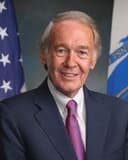
D· Massachusetts
YRS IN OFFICE
51
BILLS LED
160
COSPONSOR BREAKDOWNBIPARTISAN · 0%
DEM 3 REP 0 IND 1
ACTION TIMELINE
2 EVENTSSEP 18
Introduced in Senate
SEP 18
Read twice and referred to the Committee on Environment and Public Works.
BILL INFO
TypeSenate Bill
NumberS 2890
Congress119th
StatusIn Committee
IntroducedSep 18, 2025
Last actionSep 18, 2025
READER REACTIONS
OVERALL SENTIMENT
No reactions yet. Be the first to weigh in.
Discussion
Loading comments...
IN COMMITTEE· 119TH CONGRESS · ENVIRONMENT AND PUBLIC WORKS COMMITTEE · INTRODUCED SEP 18, 2025
Senate BillS 2890Transportation and Public Works
GREEN Streets Act
INTRODUCED SEP 18, 2025· LAST ACTION SEP 18, 2025
PASSAGE CHANCES
—%
READING
15 min
COSPONSORS
4
COMPLEXITY
Moderate