Bills · S 2844
IN COMMITTEE· 119TH CONGRESS
Senate BillS 2844International Affairs
Charlie Kirk Act
INTRO SEP 17· LAST ACTION OCT 7
READING
4MIN
COSPONSORS
0
READER REACTIONS0 TOTAL
NO VOTES YET · BE THE FIRST
- Introduced only
LEGISLATIVE PROGRESS
STEP 2 / 8Introduced
In Committee
Reported
Passed Senate
Passed House
Conference
To President
Became Law
WHAT THE BILL DOES
AI-writtenThis bill matters because it changes a nearly 80-year-old policy that largely prevented U.S. citizens from seeing content produced by their own government for foreign audiences. If this bill becomes law, it increases transparency by making historical information about how the U.S. has presented itself to the world available domestically after a certain period.
For voters, this means gaining access to a trove of historical media that could offer insights into past U.S. foreign policy efforts, cultural exchange programs, and how the U.S. government has shaped its message abroad. Without this bill, much of this material would continue to be unavailable for domestic review, potentially limiting historical understanding and public oversight of government information activities.
KEY PROVISIONS
4AI-extractedPROVISION 01
Allows the U.S. Agency for Global Media (USAGM) to release program materials for domestic distribution after a 12-year waiting period.
This provision ends a long-standing ban on domestic dissemination of U.S. government-produced foreign-focused media, increasing access to historical content.
PROVISION 02
Designates the Archivist of the United States as the official custodian for these materials and requires them to make the content available to the public.
This establishes a clear process and responsible agency for managing and distributing the newly accessible materials, ensuring orderly access.
PROVISION 03
Requires individuals seeking access to pay a fee to cover the Archivist's costs and secure any necessary U.S. rights and licenses.
This ensures the cost of providing access doesn't fall solely on taxpayers and that copyright rules are respected.
PROVISION 04
Reaffirms the general ban on using USAGM funds to influence domestic public opinion and distributing program material within the U.S., except for the new 12-year delayed release.
This clarifies that the primary purpose of USAGM remains foreign outreach and that immediate domestic distribution is still restricted.
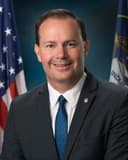
SPONSORSHIP
1 + 0
R· Utah
YRS IN OFFICE
15
BILLS LED
138
ACTION TIMELINE
3 EVENTSOCT 7
Star Print ordered on the bill.
SEP 17
Introduced in Senate
SEP 17
Read twice and referred to the Committee on Foreign Relations.
BILL INFO
TypeSenate Bill
NumberS 2844
Congress119th
StatusIn Committee
IntroducedSep 17, 2025
Last actionOct 7, 2025
READER REACTIONS
OVERALL SENTIMENT
No reactions yet. Be the first to weigh in.
Discussion
Loading comments...
IN COMMITTEE· 119TH CONGRESS · FOREIGN RELATIONS COMMITTEE · INTRODUCED SEP 17, 2025
Senate BillS 2844International Affairs
Charlie Kirk Act
INTRODUCED SEP 17, 2025· LAST ACTION OCT 7, 2025
PASSAGE CHANCES
—%
READING
4 min
COSPONSORS
0
COMPLEXITY
Moderate