Bills · S 2828
IN COMMITTEE· 119TH CONGRESS
Senate BillS 2828State and local government operationsChild care and development
Child Care Modernization Act of 2025
INTRO SEP 17· LAST ACTION MAR 19
READING
31MIN
COSPONSORS
7BIPARTISAN
READER REACTIONS0 TOTAL
NO VOTES YET · BE THE FIRST
- Introduced only
LEGISLATIVE PROGRESS
STEP 2 / 8Introduced
In Committee
Reported
Passed Senate
Passed House
Conference
To President
Became Law
WHAT THE BILL DOES
AI-writtenThis bill matters because affordable and accessible child care is a major challenge for many American families, directly impacting their ability to work and children's early development. By updating the Child Care and Development Block Grant Act, the bill seeks to address these issues by giving states more flexibility to create child care systems tailored to their specific needs. If this bill becomes law, more families might qualify for child care assistance due to expanded "eligible activities," potentially easing financial burdens and enabling parents to pursue education, job training, or employment without child care barriers.
Furthermore, by promoting parental choice and requiring consumer education, the bill aims to ensure parents can make informed decisions about their children's care, leading to better outcomes for children. If the bill doesn't pass, the existing framework of the CCDBG Act would remain, potentially without the updated definitions for eligibility, the emphasis on parental choice, or the increased flexibility for states that this bill proposes. This could mean fewer options or more restrictive access to child care subsidies for families navigating complex work and life demands.
KEY PROVISIONS
5AI-extractedPROVISION 01
Allows states maximum flexibility in developing child care systems and emphasizes empowering parents to choose child care that best suits their family's needs.
This aims to ensure child care programs can adapt to local needs and that parents have a say in their child's care.
PROVISION 02
Broadens the activities a parent can engage in to qualify for child care assistance, including job search, various forms of education, health treatment, and taking family leave.
This could make child care accessible to more working parents or those seeking to improve their skills or health.
PROVISION 03
Defines an eligible child as under 13, from a family below 85% of state median income (with asset limits), and residing with a parent participating in an eligible activity, or if the child is homeless, in kinship care, or needs protective services.
This provision sets clear income and asset limits, and specific circumstances for children to qualify for subsidized care.
PROVISION 04
Explicitly states that Head Start agencies are eligible child care providers under the Act.
This expands the types of organizations that can offer subsidized child care services, potentially increasing options for parents.
PROVISION 05
Describes a mixed delivery system as one that promotes parental choice in child care services.
This codifies a key concept that allows diverse types of child care settings (centers, homes, etc.) to participate and compete.
SPONSORSHIP
1 + 7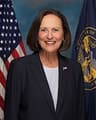
R· Nebraska
YRS IN OFFICE
13
BILLS LED
34
COSPONSOR BREAKDOWNBIPARTISAN · 85%
DEM 4 REP 3 IND 0
ACTION TIMELINE
3 EVENTSMAR 19
Committee on Health, Education, Labor, and Pensions. Hearings held.
SEP 17
Introduced in Senate
SEP 17
Read twice and referred to the Committee on Health, Education, Labor, and Pensions.
BILL INFO
TypeSenate Bill
NumberS 2828
Congress119th
StatusIn Committee
IntroducedSep 17, 2025
Last actionMar 19, 2026
READER REACTIONS
OVERALL SENTIMENT
No reactions yet. Be the first to weigh in.
Discussion
Loading comments...
IN COMMITTEE· 119TH CONGRESS · HEALTH, EDUCATION, LABOR, AND PENSIONS COMMITTEE · INTRODUCED SEP 17, 2025
Senate BillS 2828State and local government operationsChild care and development
Child Care Modernization Act of 2025
INTRODUCED SEP 17, 2025· LAST ACTION MAR 19, 2026
PASSAGE CHANCES
—%
READING
31 min
COSPONSORS
7
COMPLEXITY
Moderate