Bills · S 2810
IN COMMITTEE· 119TH CONGRESS
Senate BillS 2810Health
Retirement Freedom Act
INTRO SEP 16· LAST ACTION SEP 16
READING
1MIN
COSPONSORS
1
READER REACTIONS0 TOTAL
NO VOTES YET · BE THE FIRST
- Introduced only
LEGISLATIVE PROGRESS
STEP 2 / 8Introduced
In Committee
Reported
Passed Senate
Passed House
Conference
To President
Became Law
WHAT THE BILL DOES
AI-writtenThis bill matters because it offers a new level of personal choice regarding healthcare for millions of Americans who are eligible for Medicare Part A. Currently, eligibility for Part A is generally automatic for those who've paid into Medicare through their taxes, and most people enroll. If this bill becomes law, individuals could opt out if they believe they have better private insurance options, or if they have philosophical reasons for not wanting to participate in government healthcare programs. This could give individuals more control over their healthcare decisions and finances.
However, a significant number of people opting out, particularly healthier individuals, could potentially impact the overall financial stability and risk pool of the Medicare program. It also creates a new administrative process for the government to manage these opt-out and opt-in elections. If it doesn't become law, the current system remains, where most eligible individuals automatically receive Medicare Part A benefits, and there isn't an explicit option to decline them without losing other benefits.
KEY PROVISIONS
4AI-extractedPROVISION 01
Allows individuals eligible for Medicare Part A benefits to choose to opt out of receiving them.
This gives individuals more personal control and flexibility over their healthcare insurance choices.
PROVISION 02
Permits individuals to later end their opt-out choice and enroll back into Medicare Part A without facing any penalties.
This provides a safety net and ensures that individuals are not permanently locked out if their healthcare needs or preferences change.
PROVISION 03
Clarifies that opting out of Medicare Part A does not require an individual to opt out of their Social Security benefits.
This ensures that individuals can make a decision about their healthcare coverage without jeopardizing their other earned retirement benefits.
PROVISION 04
States that individuals who opt out are not required to repay any Medicare Part A benefits received prior to making their election.
This prevents financial burden for past healthcare services already covered before the individual chose to opt out.
SPONSORSHIP
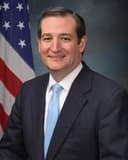
1 + 1
R· Texas
YRS IN OFFICE
13
BILLS LED
131
COSPONSOR BREAKDOWNBIPARTISAN · 0%
DEM 0 REP 1 IND 0
ACTION TIMELINE
2 EVENTSSEP 16
Introduced in Senate
SEP 16
Read twice and referred to the Committee on Finance.
BILL INFO
TypeSenate Bill
NumberS 2810
Congress119th
StatusIn Committee
IntroducedSep 16, 2025
Last actionSep 16, 2025
READER REACTIONS
OVERALL SENTIMENT
No reactions yet. Be the first to weigh in.
Discussion
Loading comments...
IN COMMITTEE· 119TH CONGRESS · FINANCE COMMITTEE · INTRODUCED SEP 16, 2025
Senate BillS 2810Health
Retirement Freedom Act
INTRODUCED SEP 16, 2025· LAST ACTION SEP 16, 2025
PASSAGE CHANCES
—%
READING
1 min
COSPONSORS
1
COMPLEXITY
Moderate