Bills · S 2680
IN COMMITTEE· 119TH CONGRESS
Senate BillS 2680Crime and Law Enforcement
LETITIA Act
INTRO AUG 2· LAST ACTION AUG 2
READING
8MIN
COSPONSORS
7
READER REACTIONS0 TOTAL
NO VOTES YET · BE THE FIRST
- Introduced only
LEGISLATIVE PROGRESS
STEP 2 / 8Introduced
In Committee
Reported
Passed Senate
Passed House
Conference
To President
Became Law
WHAT THE BILL DOES
AI-writtenVoters should care about this bill because it directly addresses the issue of public trust and accountability in government. When public officials commit financial crimes, it erodes faith in institutions and the people elected or appointed to serve the public. If this bill becomes law, it means that officials who commit fraud won't just face the same penalties as anyone else; they'll face tougher fines and guaranteed minimum prison time, making it harder for them to avoid serious consequences.
This could act as a stronger deterrent against corruption and financial dishonesty among those in positions of power. Without such a law, public officials might face lighter sentences or avoid prison time due to judicial discretion, which some argue doesn't adequately reflect the betrayal of public trust. With the LETITIA Act, there's a clear legislative statement that public service demands the highest ethical standards, and a failure to meet them through fraud will result in severe penalties.
KEY PROVISIONS
4AI-extractedPROVISION 01
Establishes mandatory minimum prison sentences for public officials convicted of bank fraud, falsifying loan/credit applications, and falsifying tax filings.
This ensures that judges cannot issue sentences below a certain length, removing discretion for these specific crimes committed by public officials.
PROVISION 02
Increases maximum fines and prison terms for public officials convicted of bank fraud, falsifying loan/credit applications, and falsifying tax filings.
This imposes a significantly harsher financial and penal burden on public officials compared to other citizens for the same crimes.
PROVISION 03
Implements even more severe penalties, including higher mandatory minimum sentences, for public officials who commit a third or subsequent fraud offense.
This targets repeat offenders among public officials with increasingly strict punishments, emphasizing accountability for a pattern of dishonest behavior.
PROVISION 04
Defines 'public official' broadly to include officers, employees, and elected or appointed representatives at federal, state, and local levels.
This ensures a wide range of government personnel are subject to these enhanced penalties, covering various positions of public trust.
SPONSORSHIP
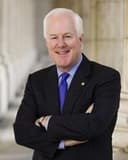
1 + 7
R· Texas
YRS IN OFFICE
23
BILLS LED
136
COSPONSOR BREAKDOWNBIPARTISAN · 0%
DEM 0 REP 7 IND 0
ACTION TIMELINE
2 EVENTSAUG 2
Introduced in Senate
AUG 2
Read twice and referred to the Committee on the Judiciary.
BILL INFO
TypeSenate Bill
NumberS 2680
Congress119th
StatusIn Committee
IntroducedAug 2, 2025
Last actionAug 2, 2025
READER REACTIONS
OVERALL SENTIMENT
No reactions yet. Be the first to weigh in.
Discussion
Loading comments...
IN COMMITTEE· 119TH CONGRESS · JUDICIARY COMMITTEE · INTRODUCED AUG 2, 2025
Senate BillS 2680Crime and Law Enforcement
LETITIA Act
INTRODUCED AUG 2, 2025· LAST ACTION AUG 2, 2025
PASSAGE CHANCES
—%
READING
8 min
COSPONSORS
7
COMPLEXITY
Moderate