Bills · S 2667
IN COMMITTEE· 119TH CONGRESS
Senate BillS 2667International Affairs
West Bank Violence Prevention Act of 2025
INTRO AUG 1· LAST ACTION AUG 1
READING
9MIN
COSPONSORS
44
READER REACTIONS0 TOTAL
NO VOTES YET · BE THE FIRST
- Introduced only
LEGISLATIVE PROGRESS
STEP 2 / 8Introduced
In Committee
Reported
Passed Senate
Passed House
Conference
To President
Became Law
WHAT THE BILL DOES
AI-writtenVoters should care about this bill because it represents a specific U.S. foreign policy tool aimed at addressing violence and instability in the West Bank, a region critical to Middle East peace. If this bill becomes law, it would give the President clear authority and a mandate to use economic and travel restrictions against those deemed responsible for undermining peace and security through violent acts. This could potentially deter future violence and strengthen U.S. efforts to support a two-state solution by making it harder for violent actors to operate.
If the bill does not pass, the U.S. government might still have some existing authorities to impose sanctions, but this bill would specifically mandate and clarify the application of sanctions for violence in the West Bank. Without it, the U.S. approach to preventing such violence might remain less direct or rely on broader, less targeted authorities, potentially leading to continued cycles of violence without specific U.S. punitive action against those identified as instigators. It connects to the broader U.S. interest in regional stability and human rights.
KEY PROVISIONS
5AI-extractedPROVISION 01
Requires the President to impose sanctions on foreign persons responsible for or complicit in acts of violence targeting civilians, property destruction, or terrorism in the West Bank.
This makes sanctions against specific violent acts in the West Bank mandatory, rather than discretionary, for the U.S. President.
PROVISION 02
Defines specific sanctions, including blocking all property and financial interests in the U.S., and making targeted individuals ineligible for U.S. visas or entry.
These are strong economic and travel penalties designed to isolate and restrict the activities of sanctioned individuals and entities.
PROVISION 03
Allows the President to waive sanctions if it's in the national security interest of the United States.
This provides flexibility for the President to prioritize broader U.S. strategic interests when applying these sanctions.
PROVISION 04
Includes exceptions for authorized intelligence activities, humanitarian assistance, and fulfilling international obligations or law enforcement objectives.
These exceptions ensure that critical U.S. operations, aid efforts, and diplomatic commitments are not inadvertently harmed by the sanctions.
PROVISION 05
Outlines conditions under which the President can terminate sanctions, such as when the person stops the harmful activity and provides assurances against future engagement.
This provides a pathway for individuals or entities to have sanctions lifted if they cease the actions that led to the penalties.
SPONSORSHIP
1 + 44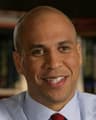
D· New Jersey
YRS IN OFFICE
12
BILLS LED
120
COSPONSOR BREAKDOWNBIPARTISAN · 0%
DEM 43 REP 0 IND 1
ACTION TIMELINE
2 EVENTSAUG 1
Introduced in Senate
AUG 1
Read twice and referred to the Committee on Foreign Relations.
BILL INFO
TypeSenate Bill
NumberS 2667
Congress119th
StatusIn Committee
IntroducedAug 1, 2025
Last actionAug 1, 2025
READER REACTIONS
OVERALL SENTIMENT
No reactions yet. Be the first to weigh in.
Discussion
Loading comments...
IN COMMITTEE· 119TH CONGRESS · FOREIGN RELATIONS COMMITTEE · INTRODUCED AUG 1, 2025
Senate BillS 2667International Affairs
West Bank Violence Prevention Act of 2025
INTRODUCED AUG 1, 2025· LAST ACTION AUG 1, 2025
PASSAGE CHANCES
—%
READING
9 min
COSPONSORS
44
COMPLEXITY
Moderate