Bills · S 2566
IN COMMITTEE· 119TH CONGRESS
Senate BillS 2566Public Lands and Natural Resources
Forest Legacy Management Flexibility Act
INTRO JUL 31· LAST ACTION JUL 31
READING
4MIN
COSPONSORS
1
READER REACTIONS0 TOTAL
NO VOTES YET · BE THE FIRST
- Introduced only
LEGISLATIVE PROGRESS
STEP 2 / 8Introduced
In Committee
Reported
Passed Senate
Passed House
Conference
To President
Became Law
WHAT THE BILL DOES
AI-writtenThis bill matters because it could make it easier and faster to protect more forest land across the country. By allowing states to partner with experienced non-profit conservation groups, it means more hands are available to do the important work of preserving forests, which provide clean air and water, wildlife habitats, and places for recreation. If this bill passes, states will have more options for how they secure these protections, potentially expanding the reach of conservation efforts. If it doesn't pass, forest protection efforts might continue at their current pace, relying primarily on state or federal agencies to manage all such agreements directly.
KEY PROVISIONS
4AI-extractedPROVISION 01
Authorizes states to allow approved 'qualified organizations' (non-profits) to acquire, hold, and manage conservation easements under the Forest Legacy Program.
This gives states more choices and resources for protecting forest lands by bringing in trusted non-profit groups.
PROVISION 02
Establishes strict requirements for an organization to be considered 'qualified,' including being a tax-exempt conservation group with accreditation.
This ensures that only reputable and capable organizations are allowed to manage important, long-term forest protections.
PROVISION 03
Outlines specific conditions under which a conservation easement held by a qualified organization would automatically transfer back to the state or another approved organization.
This provides a safety net to guarantee that forest lands remain protected even if a partner organization faces problems or fails.
PROVISION 04
Amends existing law to remove specific references to 'the State of Vermont' regarding conservation easements, making the provisions applicable to any state.
This expands a specific provision that was previously limited to Vermont to all states, broadening its utility.
SPONSORSHIP
1 + 1
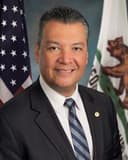
D· California
YRS IN OFFICE
3
BILLS LED
108
COSPONSOR BREAKDOWNBIPARTISAN · 0%
DEM 0 REP 1 IND 0
ACTION TIMELINE
2 EVENTSJUL 31
Introduced in Senate
JUL 31
Read twice and referred to the Committee on Agriculture, Nutrition, and Forestry. (Sponsor introductory remarks on measure: CR S4999)
BILL INFO
TypeSenate Bill
NumberS 2566
Congress119th
StatusIn Committee
IntroducedJul 31, 2025
Last actionJul 31, 2025
READER REACTIONS
OVERALL SENTIMENT
No reactions yet. Be the first to weigh in.
Discussion
Loading comments...
IN COMMITTEE· 119TH CONGRESS · AGRICULTURE, NUTRITION, AND FORESTRY COMMITTEE · INTRODUCED JUL 31, 2025
Senate BillS 2566Public Lands and Natural Resources
Forest Legacy Management Flexibility Act
INTRODUCED JUL 31, 2025· LAST ACTION JUL 31, 2025
PASSAGE CHANCES
—%
READING
4 min
COSPONSORS
1
COMPLEXITY
Moderate