Bills · S 2537
IN COMMITTEE· 119TH CONGRESS
Senate BillS 2537Transportation and Public Works
Open America's Ports Act
INTRO JUL 30· LAST ACTION JUL 30
READING
3MIN
COSPONSORS
0
READER REACTIONS0 TOTAL
NO VOTES YET · BE THE FIRST
- Introduced only
LEGISLATIVE PROGRESS
STEP 2 / 8Introduced
In Committee
Reported
Passed Senate
Passed House
Conference
To President
Became Law
WHAT THE BILL DOES
AI-writtenThis bill matters because it would fundamentally change the landscape of domestic passenger cruise travel in the U.S. If it becomes law, it could lead to more affordable and diverse cruise itineraries for Americans by opening up U.S. routes to a wider array of ships. For example, a cruise from Miami to New York could be offered by a ship built in Europe with an international crew, rather than requiring it to be a U.S.-built vessel or to make a stop in, say, Canada or Mexico.
However, it also matters because it would remove protections for the U.S. shipbuilding and maritime labor industries. If the bill doesn't pass, the existing laws remain, continuing to protect U.S. jobs and shipbuilding capacity, but potentially limiting options and increasing costs for domestic cruise passengers. The core issue is balancing consumer choice and competition with national economic and security interests tied to maintaining a domestic maritime industry.
KEY PROVISIONS
3AI-extractedPROVISION 01
Repeals the Passenger Vessel Services Act of 1886 (PVSA), which restricted domestic passenger transport to U.S.-built, U.S.-owned, and U.S.-crewed vessels or required foreign ships to make a foreign stop.
This opens up direct passenger cruise routes between U.S. ports to foreign-built and foreign-flagged ships.
PROVISION 02
Exempts passenger vessels from certain Jones Act requirements related to vessel documentation for domestic voyages.
This means passenger vessels will not need to meet U.S. construction and ownership rules to operate between U.S. ports.
PROVISION 03
Exempts passenger vessels from specific Jones Act requirements regarding the U.S. citizenship of officers and crew for domestic voyages.
This allows passenger vessels to employ foreign crews for trips between U.S. ports.
SPONSORSHIP
1 + 0
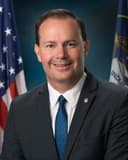
R· Utah
YRS IN OFFICE
15
BILLS LED
138
ACTION TIMELINE
2 EVENTSJUL 30
Introduced in Senate
JUL 30
Read twice and referred to the Committee on Commerce, Science, and Transportation.
BILL INFO
TypeSenate Bill
NumberS 2537
Congress119th
StatusIn Committee
IntroducedJul 30, 2025
Last actionJul 30, 2025
READER REACTIONS
OVERALL SENTIMENT
No reactions yet. Be the first to weigh in.
Discussion
Loading comments...
IN COMMITTEE· 119TH CONGRESS · COMMERCE, SCIENCE, AND TRANSPORTATION COMMITTEE · INTRODUCED JUL 30, 2025
Senate BillS 2537Transportation and Public Works
Open America's Ports Act
INTRODUCED JUL 30, 2025· LAST ACTION JUL 30, 2025
PASSAGE CHANCES
—%
READING
3 min
COSPONSORS
0
COMPLEXITY
Moderate