Bills · S 2536
IN COMMITTEE· 119TH CONGRESS
Senate BillS 2536Transportation and Public Works
Safeguarding American Tourism Act
INTRO JUL 30· LAST ACTION JUL 30
READING
3MIN
COSPONSORS
0
READER REACTIONS0 TOTAL
NO VOTES YET · BE THE FIRST
- Introduced only
LEGISLATIVE PROGRESS
STEP 2 / 8Introduced
In Committee
Reported
Passed Senate
Passed House
Conference
To President
Became Law
WHAT THE BILL DOES
AI-writtenThis bill matters because it fundamentally changes how large cruise ships can operate within U.S. waters, impacting both the tourism industry and U.S. maritime jobs. If it becomes law, it could lead to an expansion of domestic cruise itineraries, making it easier for people to travel between U.S. ports without needing to include a stop in a foreign country, a common practice known as 'closed-loop' cruises designed to circumvent current laws. This could boost local economies at U.S. port cities.
However, it also sparks debate about the importance of protecting U.S. maritime industries. The Jones Act and PVSA were enacted to ensure a strong U.S. merchant marine for national security and economic reasons. By exempting large cruise ships, this bill could be seen as weakening those protections, potentially shifting jobs and economic activity from U.S. companies and workers to foreign entities. If it doesn't become law, the current requirements for ships operating between U.S. ports would remain, continuing the status quo for domestic cruising options and U.S. maritime industry protection.
KEY PROVISIONS
3AI-extractedPROVISION 01
Exempts large cruise ships (800 or more passenger berths) from domestic requirements of the Passenger Vessel Services Act (PVSA).
This allows large foreign-built or foreign-crewed cruise ships to transport passengers between U.S. ports without needing a stop in a foreign port.
PROVISION 02
Exempts large cruise ships (800 or more passenger berths) from specific Jones Act requirements related to vessel construction, ownership, and crew nationality when operating between U.S. ports, directly or via a foreign port.
This removes requirements for these large ships to be U.S.-built, U.S.-owned, and largely U.S.-crewed for U.S. domestic routes.
PROVISION 03
Modifies rules for temporary shore leave for alien crewmen on such vessels, allowing them to remain ashore for the duration of a valid, unexpired visa.
This simplifies the process for foreign crew members to temporarily disembark in U.S. ports, granting them more flexibility during their stay.
SPONSORSHIP
1 + 0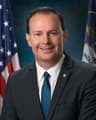
R· Utah
YRS IN OFFICE
15
BILLS LED
138
ACTION TIMELINE
2 EVENTSJUL 30
Introduced in Senate
JUL 30
Read twice and referred to the Committee on Commerce, Science, and Transportation.
BILL INFO
TypeSenate Bill
NumberS 2536
Congress119th
StatusIn Committee
IntroducedJul 30, 2025
Last actionJul 30, 2025
READER REACTIONS
OVERALL SENTIMENT
No reactions yet. Be the first to weigh in.
Discussion
Loading comments...
IN COMMITTEE· 119TH CONGRESS · COMMERCE, SCIENCE, AND TRANSPORTATION COMMITTEE · INTRODUCED JUL 30, 2025
Senate BillS 2536Transportation and Public Works
Safeguarding American Tourism Act
INTRODUCED JUL 30, 2025· LAST ACTION JUL 30, 2025
PASSAGE CHANCES
—%
READING
3 min
COSPONSORS
0
COMPLEXITY
Moderate