Bills · S 2535
IN COMMITTEE· 119TH CONGRESS
Senate BillS 2535Transportation and Public Works
Protecting Jobs in American Ports Act
INTRO JUL 30· LAST ACTION JUL 30
READING
1MIN
COSPONSORS
0
READER REACTIONS0 TOTAL
NO VOTES YET · BE THE FIRST
- Introduced only
LEGISLATIVE PROGRESS
STEP 2 / 8Introduced
In Committee
Reported
Passed Senate
Passed House
Conference
To President
Became Law
WHAT THE BILL DOES
AI-writtenThis bill matters because it represents a significant shift in U.S. maritime policy, potentially altering the competitive landscape for passenger travel by sea. If it becomes law, it could open the U.S. domestic passenger market to a wider array of vessels, potentially leading to more diverse travel options and perhaps lower prices for consumers. However, it also changes the current protection afforded to the U.S. shipbuilding industry, which has historically benefited from requirements for U.S.-built vessels on domestic routes.
Without this bill, the existing restrictions would largely remain, limiting foreign-built passenger ships from operating exclusively between U.S. ports. The law's passage would pit the interests of increased competition and tourism against those focused on supporting domestic shipbuilding and maintaining U.S.-flagged fleet requirements.
KEY PROVISIONS
3AI-extractedPROVISION 01
Amends current law to allow foreign-built passenger vessels to receive a "coastwise endorsement" for transporting passengers between U.S. ports, including those with a foreign stop.
This fundamentally changes which ships can operate domestic passenger routes, opening the market to more foreign-built vessels.
PROVISION 02
Repeals Section 12121 of Title 46, United States Code, which previously reinforced the U.S.-built requirement for coastwise endorsements for certain vessels.
This conforming amendment further removes a barrier for foreign-built passenger vessels to operate in U.S. domestic trade.
PROVISION 03
Clarifies that vessels operating under these new provisions are still subject to all other applicable U.S. laws.
Ensures that these foreign-built vessels are not granted blanket exemptions from other U.S. regulations and safety standards.
SPONSORSHIP
1 + 0
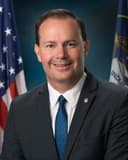
R· Utah
YRS IN OFFICE
15
BILLS LED
138
ACTION TIMELINE
2 EVENTSJUL 30
Introduced in Senate
JUL 30
Read twice and referred to the Committee on Commerce, Science, and Transportation.
BILL INFO
TypeSenate Bill
NumberS 2535
Congress119th
StatusIn Committee
IntroducedJul 30, 2025
Last actionJul 30, 2025
READER REACTIONS
OVERALL SENTIMENT
No reactions yet. Be the first to weigh in.
Discussion
Loading comments...
IN COMMITTEE· 119TH CONGRESS · COMMERCE, SCIENCE, AND TRANSPORTATION COMMITTEE · INTRODUCED JUL 30, 2025
Senate BillS 2535Transportation and Public Works
Protecting Jobs in American Ports Act
INTRODUCED JUL 30, 2025· LAST ACTION JUL 30, 2025
PASSAGE CHANCES
—%
READING
1 min
COSPONSORS
0
COMPLEXITY
Moderate