Bills · S 2508
IN COMMITTEE· 119TH CONGRESS
Senate BillS 2508Transportation and Public Works
Gas Pipeline Leak Detection and Repair Act of 2025
INTRO JUL 29· LAST ACTION JUL 29
READING
1MIN
COSPONSORS
7
READER REACTIONS0 TOTAL
NO VOTES YET · BE THE FIRST
- Introduced only
LEGISLATIVE PROGRESS
STEP 2 / 8Introduced
In Committee
Reported
Passed Senate
Passed House
Conference
To President
Became Law
WHAT THE BILL DOES
AI-writtenThis bill matters because gas pipeline leaks pose significant risks to public safety and the environment. Leaking natural gas, which is mostly methane, can lead to dangerous explosions and fires, threatening lives and property. Methane is also a powerful greenhouse gas, contributing to climate change, so reducing leaks helps address environmental concerns.
If this bill becomes law, the new federal standards for detecting and repairing gas pipeline leaks will go into effect immediately, potentially preventing accidents and reducing harmful emissions sooner than they otherwise might have. If it doesn't pass, the PHMSA rule might face delays or challenges in its implementation, meaning a longer wait for improved pipeline safety and environmental protections. This bill speeds up the process of making pipelines safer and more environmentally friendly.
KEY PROVISIONS
2AI-extractedPROVISION 01
Makes the Pipeline and Hazardous Materials Safety Administration (PHMSA) 'Gas Pipeline Leak Detection and Repair' final rule, issued January 17, 2025, effective immediately upon the bill's enactment.
This provision ensures that new safety and environmental standards for gas pipelines are implemented without delay, potentially preventing accidents and reducing emissions sooner.
PROVISION 02
Clarifies that the Secretary of Transportation is not prohibited from issuing or revising regulations in the future that provide even more stringent protections or standards.
This ensures that pipeline safety and environmental standards can continue to evolve and improve beyond the initial rule made effective by this act.
SPONSORSHIP
1 + 7
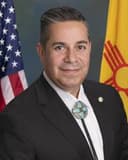
D· New Mexico
YRS IN OFFICE
17
BILLS LED
86
COSPONSOR BREAKDOWNBIPARTISAN · 0%
DEM 7 REP 0 IND 0
ACTION TIMELINE
2 EVENTSJUL 29
Introduced in Senate
JUL 29
Read twice and referred to the Committee on Commerce, Science, and Transportation.
BILL INFO
TypeSenate Bill
NumberS 2508
Congress119th
StatusIn Committee
IntroducedJul 29, 2025
Last actionJul 29, 2025
READER REACTIONS
OVERALL SENTIMENT
No reactions yet. Be the first to weigh in.
Discussion
Loading comments...
IN COMMITTEE· 119TH CONGRESS · COMMERCE, SCIENCE, AND TRANSPORTATION COMMITTEE · INTRODUCED JUL 29, 2025
Senate BillS 2508Transportation and Public Works
Gas Pipeline Leak Detection and Repair Act of 2025
INTRODUCED JUL 29, 2025· LAST ACTION JUL 29, 2025
PASSAGE CHANCES
—%
READING
1 min
COSPONSORS
7
COMPLEXITY
Moderate