Bills · S 250
IN COMMITTEE· 119TH CONGRESS
Senate BillS 250International Affairs
Protecting Life in Foreign Assistance Act
INTRO JAN 24· LAST ACTION JAN 24
READING
3MIN
COSPONSORS
13
READER REACTIONS0 TOTAL
NO VOTES YET · BE THE FIRST
- Introduced only
LEGISLATIVE PROGRESS
STEP 2 / 8Introduced
In Committee
Reported
Passed Senate
Passed House
Conference
To President
Became Law
WHAT THE BILL DOES
AI-writtenThis bill matters because it would permanently change how the U.S. government funds global health and development programs, particularly those related to reproductive health. If passed, it would make permanent the "Mexico City Policy" (often called the global gag rule), which has historically been reinstated and rescinded by different presidential administrations, causing significant policy shifts every few years. By codifying this policy into law, it would prevent future presidents from easily changing it back.
This means that organizations receiving U.S. aid would have to choose between providing comprehensive reproductive health services, including abortion-related care and referrals, or receiving U.S. funding. This could impact access to various health services for millions globally, potentially leading to a decrease in the availability of family planning and maternal care, or a shift in how these services are delivered by U.S.-funded partners. It would also represent a major policy win for those who advocate for federal funds to not be associated with abortion services.
KEY PROVISIONS
4AI-extractedPROVISION 01
This bill would stop federal funds from going to foreign organizations (non-profits, NGOs, multilateral groups) that perform or promote abortions, or provide financial support to such activities.
This provision would directly impact international health and development aid, forcing many organizations to choose between U.S. funding and their current reproductive health services.
PROVISION 02
It would also prohibit federal funds from going to U.S. domestic non-profit or non-governmental organizations that perform or develop items for abortions.
This extends the funding restrictions to U.S.-based groups, particularly if they are engaged in activities that receive federal funds for purposes outside the United States.
PROVISION 03
Any domestic organization receiving federal funds would be required to maintain a complete physical and financial separation between their federally funded programs and any abortion-related activities, including not sharing a location.
This is a significant restriction on how domestic organizations can operate if they receive federal money, creating a clear division for any programs receiving U.S. funding.
PROVISION 04
The bill explicitly states that its restrictions apply to the transfer of federal funds and goods financed by those funds, for purposes outside the United States.
This clarifies the scope of the restriction, ensuring that both direct financial aid and goods purchased with U.S. money are covered by the new rules.
SPONSORSHIP
1 + 13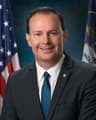
R· Utah
YRS IN OFFICE
15
BILLS LED
138
COSPONSOR BREAKDOWNBIPARTISAN · 0%
DEM 0 REP 13 IND 0
ACTION TIMELINE
2 EVENTSJAN 24
Introduced in Senate
JAN 24
Read twice and referred to the Committee on Foreign Relations.
BILL INFO
TypeSenate Bill
NumberS 250
Congress119th
StatusIn Committee
IntroducedJan 24, 2025
Last actionJan 24, 2025
READER REACTIONS
OVERALL SENTIMENT
No reactions yet. Be the first to weigh in.
Discussion
Loading comments...
IN COMMITTEE· 119TH CONGRESS · FOREIGN RELATIONS COMMITTEE · INTRODUCED JAN 24, 2025
Senate BillS 250International Affairs
Protecting Life in Foreign Assistance Act
INTRODUCED JAN 24, 2025· LAST ACTION JAN 24, 2025
PASSAGE CHANCES
—%
READING
3 min
COSPONSORS
13
COMPLEXITY
Moderate