Bills · S 2395
IN COMMITTEE· 119TH CONGRESS
Senate BillS 2395Agriculture and Food
Mid-South Oilseed Double Cropping Study Act of 2025
INTRO JUL 23· LAST ACTION JUL 23
READING
2MIN
COSPONSORS
0
READER REACTIONS0 TOTAL
NO VOTES YET · BE THE FIRST
- Introduced only
LEGISLATIVE PROGRESS
STEP 2 / 8Introduced
In Committee
Reported
Passed Senate
Passed House
Conference
To President
Became Law
WHAT THE BILL DOES
AI-writtenThis bill matters because it could open up new ways for farmers to earn income and manage risk. Currently, crop insurance might not fully cover farmers who plant a second crop like canola after harvesting a main crop, leaving them vulnerable to losses if the second crop fails. By studying and potentially expanding insurance options, the bill could encourage more farmers to adopt double cropping or rotational cropping practices with oilseeds. This could lead to better use of farmland, improved soil health by keeping land covered, increased biodiversity, and a more diverse range of products from American farms, ultimately boosting farmer profitability and resilience. If this bill doesn't pass, the research on insuring these specific double-cropped oilseeds might not happen, and farmers could continue to lack insurance options for these practices.
KEY PROVISIONS
4AI-extractedPROVISION 01
Requires the Federal Crop Insurance Corporation (FCIC) to conduct research and development on including specific oilseed crops (rapeseed and canola) in double cropping and rotational cropping insurance policies.
This directly initiates the process to explore new crop insurance options for farmers, potentially expanding coverage for important rotation crops.
PROVISION 02
Defines "covered oilseed crops" as rapeseed and canola that require cold temperatures to grow and are planted on land that would otherwise be idle in a rotation pattern.
This provides clear guidance on which crops and planting methods are the focus of the study, ensuring targeted research.
PROVISION 03
Mandates the research to evaluate factors affecting insurance availability and cost, as well as potential risk management benefits like soil health, biodiversity, and farmer profitability.
This ensures the study is comprehensive, considering both financial and environmental impacts for farmers.
PROVISION 04
Requires the FCIC to submit a report to Congress within 13 months, detailing research results and recommendations.
This sets a clear timeline for accountability and provides Congress with information to consider future policy changes.
SPONSORSHIP
1 + 0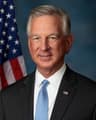
R· Alabama
YRS IN OFFICE
5
BILLS LED
0
ACTION TIMELINE
2 EVENTSJUL 23
Introduced in Senate
JUL 23
Read twice and referred to the Committee on Agriculture, Nutrition, and Forestry.
BILL INFO
TypeSenate Bill
NumberS 2395
Congress119th
StatusIn Committee
IntroducedJul 23, 2025
Last actionJul 23, 2025
READER REACTIONS
OVERALL SENTIMENT
No reactions yet. Be the first to weigh in.
Discussion
Loading comments...
IN COMMITTEE· 119TH CONGRESS · AGRICULTURE, NUTRITION, AND FORESTRY COMMITTEE · INTRODUCED JUL 23, 2025
Senate BillS 2395Agriculture and Food
Mid-South Oilseed Double Cropping Study Act of 2025
INTRODUCED JUL 23, 2025· LAST ACTION JUL 23, 2025
PASSAGE CHANCES
—%
READING
2 min
COSPONSORS
0
COMPLEXITY
Moderate