Bills · S 223
IN COMMITTEE· 119TH CONGRESS
Senate BillS 223Civil actions and liabilityCrimes against property
Restoring the First Amendment and Right to Peaceful Civil Disobedience Act of 2025
INTRO JAN 23· LAST ACTION JAN 23
READING
1MIN
COSPONSORS
3
READER REACTIONS0 TOTAL
NO VOTES YET · BE THE FIRST
- Introduced only
LEGISLATIVE PROGRESS
STEP 2 / 8Introduced
In Committee
Reported
Passed Senate
Passed House
Conference
To President
Became Law
WHAT THE BILL DOES
AI-writtenThis bill matters because it changes the legal landscape for protests at healthcare clinics, particularly those offering reproductive health services. If it becomes law, it could lead to increased instances of physical obstruction or intimidation at clinic entrances, potentially making it harder for people to access medical care without fear or interference. This would remove a federal tool used to ensure safe access to these facilities.
Without this bill, the FACE Act remains in effect, allowing federal authorities to prosecute individuals who obstruct access to clinics or threaten patients and staff. If the bill passes, it shifts the responsibility for managing such protests and ensuring clinic access largely to state and local laws and law enforcement, which may vary significantly in their scope and enforcement. This raises fundamental questions about the balance between freedom of speech and the right to access healthcare without impediment.
KEY PROVISIONS
2AI-extractedPROVISION 01
Repeals Section 248 of Title 18, United States Code, which is known as the Freedom of Access to Clinic Entrances (FACE) Act.
This provision eliminates the federal law that prohibits using force, threats, or physical obstruction to interfere with access to reproductive health service clinics.
PROVISION 02
Specifies that the repeal applies to any ongoing prosecutions of offenses under the FACE Act, as well as any offenses committed on or after the bill's enactment date.
This means that any current federal cases under the FACE Act would be dismissed, and no new federal charges could be brought under it in the future.
SPONSORSHIP
1 + 3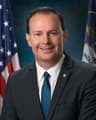
R· Utah
YRS IN OFFICE
15
BILLS LED
138
COSPONSOR BREAKDOWNBIPARTISAN · 0%
DEM 0 REP 3 IND 0
ACTION TIMELINE
2 EVENTSJAN 23
Introduced in Senate
JAN 23
Read twice and referred to the Committee on the Judiciary.
BILL INFO
TypeSenate Bill
NumberS 223
Congress119th
StatusIn Committee
IntroducedJan 23, 2025
Last actionJan 23, 2025
READER REACTIONS
OVERALL SENTIMENT
No reactions yet. Be the first to weigh in.
Discussion
Loading comments...
IN COMMITTEE· 119TH CONGRESS · JUDICIARY COMMITTEE · INTRODUCED JAN 23, 2025
Senate BillS 223Civil actions and liabilityCrimes against property
Restoring the First Amendment and Right to Peaceful Civil Disobedience Act of 2025
INTRODUCED JAN 23, 2025· LAST ACTION JAN 23, 2025
PASSAGE CHANCES
—%
READING
1 min
COSPONSORS
3
COMPLEXITY
Moderate