Bills · S 2208
IN COMMITTEE· 119TH CONGRESS
Senate BillS 2208Public Lands and Natural Resources
Wildfire Resilient Communities Act
INTRO JUL 8· LAST ACTION JUL 8
READING
6MIN
COSPONSORS
3
READER REACTIONS0 TOTAL
NO VOTES YET · BE THE FIRST
- Introduced only
LEGISLATIVE PROGRESS
STEP 2 / 8Introduced
In Committee
Reported
Passed Senate
Passed House
Conference
To President
Became Law
WHAT THE BILL DOES
AI-writtenWildfires have become an increasingly devastating problem across the United States, especially in the West, destroying homes, costing lives, impacting air quality, and causing billions in damages. This bill addresses these issues by providing a significant, dedicated investment into proactively reducing the fuel load in forests, which can make fires less severe and easier to control. If this bill becomes law, it means more resources will be consistently available to manage federal lands, potentially leading to fewer destructive wildfires, safer communities, and improved ecological health.
If the bill does not pass, federal agencies might continue to face unpredictable funding for wildfire prevention, potentially leaving vast areas of federal land vulnerable to extreme fires. This could mean more severe fire seasons, greater risks to communities, and a continued drain on emergency response resources, without the enhanced community-level support or local revenue sharing proposed by this legislation.
KEY PROVISIONS
4AI-extractedPROVISION 01
Provides $30 billion in mandatory funding for hazardous fuels reduction projects on federal lands, to be carried out by various federal agencies.
This guarantees a large, dedicated sum for wildfire prevention without yearly budget battles, allowing for consistent, long-term planning and execution of projects.
PROVISION 02
Authorizes an additional $3 billion for the Community Wildfire Defense Grant Program over five fiscal years (2027-2031).
It boosts financial support for local communities to develop and implement plans that protect them from wildfires.
PROVISION 03
Reauthorizes and increases annual funding for the Collaborative Forest Landscape Restoration Program to $100 million for fiscal year 2026 and each year thereafter.
This expands support for community-led forest restoration efforts and ensures their continuation and growth.
PROVISION 04
Establishes a County Stewardship Fund to deposit a percentage of revenue from forest product sales on federal lands, which will be distributed to local counties.
Provides direct financial benefits to counties affected by federal land management activities, supporting local economies.
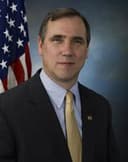
SPONSORSHIP
1 + 3
D· Oregon
YRS IN OFFICE
17
BILLS LED
128
COSPONSOR BREAKDOWNBIPARTISAN · 0%
DEM 3 REP 0 IND 0
ACTION TIMELINE
2 EVENTSJUL 8
Introduced in Senate
JUL 8
Read twice and referred to the Committee on Agriculture, Nutrition, and Forestry.
BILL INFO
TypeSenate Bill
NumberS 2208
Congress119th
StatusIn Committee
IntroducedJul 8, 2025
Last actionJul 8, 2025
READER REACTIONS
OVERALL SENTIMENT
No reactions yet. Be the first to weigh in.
Discussion
Loading comments...
IN COMMITTEE· 119TH CONGRESS · AGRICULTURE, NUTRITION, AND FORESTRY COMMITTEE · INTRODUCED JUL 8, 2025
Senate BillS 2208Public Lands and Natural Resources
Wildfire Resilient Communities Act
INTRODUCED JUL 8, 2025· LAST ACTION JUL 8, 2025
PASSAGE CHANCES
—%
READING
6 min
COSPONSORS
3
COMPLEXITY
Moderate