Bills · S 2076
IN COMMITTEE· 119TH CONGRESS
Senate BillS 2076Health
HCBS Relief Act of 2025
INTRO JUN 12· LAST ACTION JUN 12
READING
9MIN
COSPONSORS
17
READER REACTIONS0 TOTAL
NO VOTES YET · BE THE FIRST
- Introduced only
LEGISLATIVE PROGRESS
STEP 2 / 8Introduced
In Committee
Reported
Passed Senate
Passed House
Conference
To President
Became Law
WHAT THE BILL DOES
AI-writtenThis bill matters because it addresses critical issues within the long-term care system, particularly the growing demand for home-based care and the challenges in supporting the workforce that provides it. Many individuals prefer to receive care in their homes, but long waiting lists and a shortage of qualified caregivers often make this difficult.
If this bill becomes law, the temporary increase in federal funding would help states expand services, shorten wait times, and improve the quality of care. Crucially, by directing funds towards increasing caregiver pay and benefits, it aims to stabilize and strengthen the direct care workforce, which is vital for providing consistent and high-quality services. Without this bill, states would continue to bear a larger financial burden, and existing problems like caregiver shortages and limited access to home-based care would likely persist, impacting the independence and well-being of many vulnerable Americans.
KEY PROVISIONS
4AI-extractedPROVISION 01
The federal government will temporarily increase its share of state Medicaid costs for home and community-based services by 10 percentage points for fiscal years 2026 and 2027.
This provides significant financial relief to states for a crucial type of care, potentially freeing up state funds or allowing for service expansion.
PROVISION 02
States must apply for the increased funding and agree to use it to add to (supplement), not replace (supplant), their current spending on these services, and must spend all funds by September 30, 2029.
This condition ensures the federal money leads to actual growth and improvement in services and worker support, rather than just covering existing state costs.
PROVISION 03
States are required to use the increased funding to raise reimbursement rates for agencies and individuals providing home health and direct support services, with the stipulation that these increases must result in higher compensation for the workers.
This provision directly addresses the low wages and high turnover in the caregiving sector, aiming to improve job quality and attract and retain essential workers.
PROVISION 04
The funds can be used for a range of activities, including providing paid sick, family, or medical leave, hazard pay, improving job stability for workers, reducing waiting lists for services, and supporting family caregivers with supplies and respite.
These options allow states flexibility to address various needs within the home care system, from enhancing worker benefits to expanding direct services and supporting informal caregivers.
SPONSORSHIP
1 + 17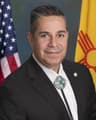
D· New Mexico
YRS IN OFFICE
17
BILLS LED
86
COSPONSOR BREAKDOWNBIPARTISAN · 0%
DEM 17 REP 0 IND 0
ACTION TIMELINE
2 EVENTSJUN 12
Introduced in Senate
JUN 12
Read twice and referred to the Committee on Finance.
BILL INFO
TypeSenate Bill
NumberS 2076
Congress119th
StatusIn Committee
IntroducedJun 12, 2025
Last actionJun 12, 2025
READER REACTIONS
OVERALL SENTIMENT
No reactions yet. Be the first to weigh in.
Discussion
Loading comments...
IN COMMITTEE· 119TH CONGRESS · FINANCE COMMITTEE · INTRODUCED JUN 12, 2025
Senate BillS 2076Health
HCBS Relief Act of 2025
INTRODUCED JUN 12, 2025· LAST ACTION JUN 12, 2025
PASSAGE CHANCES
—%
READING
9 min
COSPONSORS
17
COMPLEXITY
Moderate