Bills · S 2048
IN COMMITTEE· 119TH CONGRESS
Senate BillS 2048Finance and Financial Sector
PRC Military and Human Rights Capital Markets Sanctions Act of 2025
INTRO JUN 12· LAST ACTION JUN 12
READING
6MIN
COSPONSORS
1
READER REACTIONS0 TOTAL
NO VOTES YET · BE THE FIRST
- Introduced only
LEGISLATIVE PROGRESS
STEP 2 / 8Introduced
In Committee
Reported
Passed Senate
Passed House
Conference
To President
Became Law
WHAT THE BILL DOES
AI-writtenThis bill matters because it represents a significant move to decouple U.S. financial markets from certain sectors of the Chinese economy, particularly those perceived as supporting China's military modernization or its human rights abuses. If it becomes law, it would prevent American investment from inadvertently funding activities that the U.S. government deems contrary to its national interests or values.
Voters should care because it could impact their retirement savings or other investment portfolios if they hold shares in affected Chinese companies. It also signals a tougher stance in U.S.-China relations, potentially leading to further economic tensions. Without this bill, American investors would largely remain free to invest in these companies, continuing to provide them with access to U.S. capital.
KEY PROVISIONS
5AI-extractedPROVISION 01
Prohibits U.S. persons from purchasing, selling, or holding publicly traded securities issued by 'covered entities.'
This directly cuts off U.S. capital market access for designated Chinese companies.
PROVISION 02
Defines 'covered entity' broadly to include Chinese companies linked to military activities, human rights abuses, forced labor, or those on various U.S. government sanction lists.
The wide scope ensures a comprehensive ban on investment in companies deemed problematic across multiple categories.
PROVISION 03
Requires U.S. persons to sell off (divest) any existing prohibited securities within 180 days of a company being identified.
This forces a complete separation of U.S. investment from these entities, not just a halt to new investments.
PROVISION 04
Mandates the President to compile and publicly maintain a single, consolidated list of all covered entities.
A clear, centralized list helps investors and financial institutions comply with the prohibitions and divestment requirements.
PROVISION 05
Establishes civil and criminal penalties for violations, including significant fines and potential imprisonment for individuals.
These penalties provide strong enforcement mechanisms to ensure compliance with the investment ban.
SPONSORSHIP
1 + 1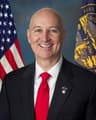
R· Nebraska
YRS IN OFFICE
3
BILLS LED
67
COSPONSOR BREAKDOWNBIPARTISAN · 0%
DEM 0 REP 1 IND 0
ACTION TIMELINE
2 EVENTSJUN 12
Introduced in Senate
JUN 12
Read twice and referred to the Committee on Banking, Housing, and Urban Affairs.
BILL INFO
TypeSenate Bill
NumberS 2048
Congress119th
StatusIn Committee
IntroducedJun 12, 2025
Last actionJun 12, 2025
READER REACTIONS
OVERALL SENTIMENT
No reactions yet. Be the first to weigh in.
Discussion
Loading comments...
IN COMMITTEE· 119TH CONGRESS · BANKING, HOUSING, AND URBAN AFFAIRS COMMITTEE · INTRODUCED JUN 12, 2025
Senate BillS 2048Finance and Financial Sector
PRC Military and Human Rights Capital Markets Sanctions Act of 2025
INTRODUCED JUN 12, 2025· LAST ACTION JUN 12, 2025
PASSAGE CHANCES
—%
READING
6 min
COSPONSORS
1
COMPLEXITY
Moderate