Bills · S 1961
IN COMMITTEE· 119TH CONGRESS
Senate BillS 1961Science, Technology, Communications
LAUNCH Act
INTRO JUN 5· LAST ACTION JUN 5
READING
14MIN
COSPONSORS
4BIPARTISAN
READER REACTIONS0 TOTAL
NO VOTES YET · BE THE FIRST
- Introduced only
LEGISLATIVE PROGRESS
STEP 2 / 8Introduced
In Committee
Reported
Passed Senate
Passed House
Conference
To President
Became Law
WHAT THE BILL DOES
AI-writtenVoters should care about this bill because it aims to reduce bureaucratic hurdles and delays for the U.S. commercial space industry. If this bill becomes law, it could foster faster innovation, increase the number of launches, and strengthen America's competitive edge in the global space economy. A more efficient regulatory environment could lead to job creation and technological advancements in a critical sector.
If the bill does not become law, the commercial space industry may continue to face the current regulatory complexities, potentially slowing down the development and deployment of new space technologies and services. This could put U.S. companies at a disadvantage compared to international competitors who might operate under less stringent or more streamlined regulations.
KEY PROVISIONS
5AI-extractedPROVISION 01
The Secretary of Transportation must evaluate current commercial space launch and reentry regulations (Part 450) and their impact on the industry.
This evaluation aims to identify specific problems like delays or uncertainties caused by existing rules, providing a basis for targeted improvements.
PROVISION 02
A public digital system will be created to accept, track, and provide status updates for all commercial space license applications.
This system will increase transparency and predictability in the licensing process, allowing companies to monitor their applications more easily.
PROVISION 03
The Secretary must accept reasonable safety rationales proposed by license applicants, including new approaches, and assign a dedicated licensing team lead to each applicant.
This provision aims to encourage innovation by allowing flexibility in safety compliance and to expedite application reviews through personalized assistance.
PROVISION 04
An Aerospace Rulemaking Committee will continue to facilitate industry participation in developing recommendations for amending Part 450 and serve as a long-term forum for industry perspectives.
This ensures that industry experts have a direct voice in shaping the regulations that affect their operations, leading to more practical and effective rules.
PROVISION 05
The Secretary shall continuously determine if license requirements can be modified or eliminated to encourage innovative new technologies and operations.
This encourages ongoing adaptation of regulations to keep pace with rapid technological advancements in the space industry, preventing outdated rules from stifling progress.
SPONSORSHIP
1 + 4
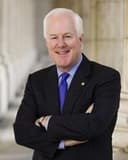
R· Texas
YRS IN OFFICE
23
BILLS LED
136
COSPONSOR BREAKDOWNBIPARTISAN · 100%
DEM 2 REP 2 IND 0
ACTION TIMELINE
2 EVENTSJUN 5
Introduced in Senate
JUN 5
Read twice and referred to the Committee on Commerce, Science, and Transportation.
BILL INFO
TypeSenate Bill
NumberS 1961
Congress119th
StatusIn Committee
IntroducedJun 5, 2025
Last actionJun 5, 2025
READER REACTIONS
OVERALL SENTIMENT
No reactions yet. Be the first to weigh in.
Discussion
Loading comments...
IN COMMITTEE· 119TH CONGRESS · COMMERCE, SCIENCE, AND TRANSPORTATION COMMITTEE · INTRODUCED JUN 5, 2025
Senate BillS 1961Science, Technology, Communications
LAUNCH Act
INTRODUCED JUN 5, 2025· LAST ACTION JUN 5, 2025
PASSAGE CHANCES
—%
READING
14 min
COSPONSORS
4
COMPLEXITY
Moderate