Bills · S 1790
IN COMMITTEE· 119TH CONGRESS
Senate BillS 1790Immigration
State Border Security Assistance Act
INTRO MAY 15· LAST ACTION MAY 15
READING
4MIN
COSPONSORS
1
READER REACTIONS0 TOTAL
NO VOTES YET · BE THE FIRST
- Introduced only
LEGISLATIVE PROGRESS
STEP 2 / 8Introduced
In Committee
Reported
Passed Senate
Passed House
Conference
To President
Became Law
WHAT THE BILL DOES
AI-writtenThis bill matters because it would shift significant federal funding and a degree of operational responsibility to states for managing aspects of border security and immigration law enforcement. If it becomes law, states would have access to billions of dollars to build physical barriers, expand surveillance, and enhance their capacity to address criminal activity involving immigrants. This could lead to a more varied and state-led approach to border enforcement across different border states, rather than a purely federal one. Voters concerned about border security might see this as a way to empower states to take more direct action, while those concerned about federal spending or the treatment of immigrants might raise questions about the implications of such widespread state-level involvement.
Without this bill, states would continue to rely on existing federal programs or their own state budgets for these activities, which may be more limited. The bill's passage would mean a substantial new federal investment in state-level border infrastructure and enforcement, potentially changing the physical landscape of the border and the operational scope of state and local law enforcement in addressing immigration-related issues.
KEY PROVISIONS
5AI-extractedPROVISION 01
Establishes the State Border Security Reinforcement Fund within the Department of Homeland Security to provide grants for building border barriers, surveillance, and relocating unlawfully present individuals.
This provision creates a dedicated funding source for states to implement physical and technological border security measures, and to manage certain immigrant populations.
PROVISION 02
Appropriates $11 billion to the State Border Security Reinforcement Fund for fiscal year 2025, available until September 30, 2034, for qualified expenses.
This is a substantial direct allocation of federal money to support state-level border security initiatives over a long period.
PROVISION 03
Establishes the State Criminal Alien Prosecution and Detention Fund within the Department of Justice to provide grants for locating, apprehending, prosecuting, and detaining criminal immigrants, and for addressing drug/human trafficking and gang activity.
This creates a funding stream for states to enhance their law enforcement and judicial capabilities specifically for crimes related to immigration and trafficking.
PROVISION 04
Appropriates $3.5 billion to the State Criminal Alien Prosecution and Detention Fund for fiscal year 2025, available until September 30, 2034, for qualified expenses.
This provides significant federal financial support for states to manage the legal processes and detention of immigrants involved in criminal activities.
PROVISION 05
Allows grants from both funds to cover expenditures for eligible activities that occurred on or after January 20, 2021.
This means states can be reimbursed for border security and related law enforcement costs incurred in the past few years, providing retroactive financial relief.
SPONSORSHIP
1 + 1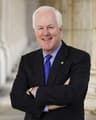
R· Texas
YRS IN OFFICE
23
BILLS LED
136
COSPONSOR BREAKDOWNBIPARTISAN · 0%
DEM 0 REP 1 IND 0
ACTION TIMELINE
2 EVENTSMAY 15
Introduced in Senate
MAY 15
Read twice and referred to the Committee on Homeland Security and Governmental Affairs.
BILL INFO
TypeSenate Bill
NumberS 1790
Congress119th
StatusIn Committee
IntroducedMay 15, 2025
Last actionMay 15, 2025
READER REACTIONS
OVERALL SENTIMENT
No reactions yet. Be the first to weigh in.
Discussion
Loading comments...
IN COMMITTEE· 119TH CONGRESS · HOMELAND SECURITY AND GOVERNMENTAL AFFAIRS COMMITTEE · INTRODUCED MAY 15, 2025
Senate BillS 1790Immigration
State Border Security Assistance Act
INTRODUCED MAY 15, 2025· LAST ACTION MAY 15, 2025
PASSAGE CHANCES
—%
READING
4 min
COSPONSORS
1
COMPLEXITY
Moderate