Bills · S 1772
IN COMMITTEE· 119TH CONGRESS
Senate BillS 1772International Affairs
Confronting CCP Human Rights Abusers Act
INTRO MAY 15· LAST ACTION MAY 15
READING
2MIN
COSPONSORS
3
READER REACTIONS0 TOTAL
NO VOTES YET · BE THE FIRST
- Introduced only
LEGISLATIVE PROGRESS
STEP 2 / 8Introduced
In Committee
Reported
Passed Senate
Passed House
Conference
To President
Became Law
WHAT THE BILL DOES
AI-writtenVoters should care about this bill because it represents a concrete step by the U.S. government to address human rights concerns and economic competition with China. If it becomes law, it tightens restrictions on a specific Chinese government entity, potentially limiting its access to U.S. technology that could be used for surveillance or other purposes in human rights abuses. This action signals a stronger stance against certain Chinese practices, particularly those targeting minority groups.
If the bill doesn't pass, or if the President uses the waiver, trade with this particular Chinese institute would likely continue under existing regulations without these new, specific restrictions. This bill highlights the ongoing tension in U.S.-China relations, particularly regarding technology transfer and human rights, and could influence future foreign policy and trade decisions.
KEY PROVISIONS
3AI-extractedPROVISION 01
Requires the U.S. Department of Commerce to add the Ministry of Public Security's Institute of Forensic Science of China to the 'entity list'.
This makes it difficult for U.S. companies to export certain goods and technologies to this Chinese government entity without a special license.
PROVISION 02
Includes specific aliases of the Institute to ensure all its known operating names are covered by the restrictions.
This prevents the Institute from circumventing the restrictions by operating under a different name.
PROVISION 03
Allows the President to waive these restrictions if they certify to Congress that the Institute is not involved in activities against U.S. foreign policy interests or human rights abuses in Xinjiang.
This provides the executive branch with flexibility in foreign policy while still requiring justification for not imposing the restrictions.
SPONSORSHIP
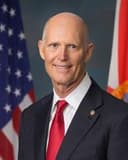
1 + 3
R· Florida
YRS IN OFFICE
7
BILLS LED
184
COSPONSOR BREAKDOWNBIPARTISAN · 0%
DEM 0 REP 3 IND 0
ACTION TIMELINE
2 EVENTSMAY 15
Introduced in Senate
MAY 15
Read twice and referred to the Committee on Banking, Housing, and Urban Affairs.
BILL INFO
TypeSenate Bill
NumberS 1772
Congress119th
StatusIn Committee
IntroducedMay 15, 2025
Last actionMay 15, 2025
READER REACTIONS
OVERALL SENTIMENT
No reactions yet. Be the first to weigh in.
Discussion
Loading comments...
IN COMMITTEE· 119TH CONGRESS · BANKING, HOUSING, AND URBAN AFFAIRS COMMITTEE · INTRODUCED MAY 15, 2025
Senate BillS 1772International Affairs
Confronting CCP Human Rights Abusers Act
INTRODUCED MAY 15, 2025· LAST ACTION MAY 15, 2025
PASSAGE CHANCES
—%
READING
2 min
COSPONSORS
3
COMPLEXITY
Moderate