Bills · S 1691
IN COMMITTEE· 119TH CONGRESS
Senate BillS 1691Transportation and Public Works
Traveler Privacy Protection Act of 2025
INTRO MAY 8· LAST ACTION MAY 8
READING
12MIN
COSPONSORS
5BIPARTISAN
READER REACTIONS0 TOTAL
NO VOTES YET · BE THE FIRST
- Introduced only
LEGISLATIVE PROGRESS
STEP 2 / 8Introduced
In Committee
Reported
Passed Senate
Passed House
Conference
To President
Became Law
WHAT THE BILL DOES
AI-writtenThis bill matters because it addresses growing public concerns about personal privacy and the increasing use of advanced surveillance technology, specifically facial recognition, in places like airports. If passed, it would establish clear legal boundaries on when and how a government agency like the TSA can collect and use sensitive biometric data, such as facial scans, during the travel process.
Without this bill, the TSA might have more flexibility to expand its use of facial recognition technology without explicit consent or clear opt-out options for all travelers, potentially leading to widespread collection and storage of personal biometric data. By implementing these limitations, the bill aims to give travelers more control over their personal information and ensure that choosing not to use certain technologies doesn't lead to a worse or discriminatory travel experience.
KEY PROVISIONS
4AI-extractedPROVISION 01
Generally prohibits the Transportation Security Administration (TSA) from capturing, collecting, or storing passengers' biometric information through facial recognition technology.
This establishes a baseline privacy protection, preventing widespread, non-consensual biometric data collection by the TSA.
PROVISION 02
Allows the TSA to use facial recognition for identity verification for passengers in "Trusted Traveler Programs" (like PreCheck or Global Entry) only if those passengers are given clear notice, a specific opt-out option, and are not penalized for opting out.
This balances security enhancements with individual privacy, ensuring participants in these programs maintain control over their biometric data.
PROVISION 03
Requires the TSA to notify Trusted Traveler Program participants about the opt-out option through clear signage and announcements at identity verification points.
This ensures travelers are fully aware of their choices at the moment they need to make them, promoting transparency.
PROVISION 04
Mandates that general passengers (not in Trusted Traveler Programs) have their identity verified using approved identification documents, without biometric data collection. (Note: The conditions for potentially using facial matching for general passengers are incomplete in the provided text.)
This ensures that most travelers retain traditional identity verification methods and are not subject to biometric collection without clear conditions.
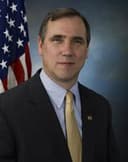
SPONSORSHIP
1 + 5
D· Oregon
YRS IN OFFICE
17
BILLS LED
128
COSPONSOR BREAKDOWNBIPARTISAN · 80%
DEM 2 REP 3 IND 0
BILL INFO
TypeSenate Bill
NumberS 1691
Congress119th
StatusIn Committee
IntroducedMay 8, 2025
Last actionMay 8, 2025
READER REACTIONS
OVERALL SENTIMENT
No reactions yet. Be the first to weigh in.
Discussion
Loading comments...
IN COMMITTEE· 119TH CONGRESS · COMMERCE, SCIENCE, AND TRANSPORTATION COMMITTEE · INTRODUCED MAY 8, 2025
Senate BillS 1691Transportation and Public Works
Traveler Privacy Protection Act of 2025
INTRODUCED MAY 8, 2025· LAST ACTION MAY 8, 2025
PASSAGE CHANCES
—%
READING
12 min
COSPONSORS
5
COMPLEXITY
Moderate