Bills · S 1663
IN COMMITTEE· 119TH CONGRESS
Senate BillS 1663Commerce
Therapeutic Fraud Prevention Act of 2025
INTRO MAY 7· LAST ACTION MAY 7
READING
8MIN
COSPONSORS
38
READER REACTIONS0 TOTAL
NO VOTES YET · BE THE FIRST
- Introduced only
LEGISLATIVE PROGRESS
STEP 2 / 8Introduced
In Committee
Reported
Passed Senate
Passed House
Conference
To President
Became Law
WHAT THE BILL DOES
AI-writtenVoters should care about this bill because it addresses a controversial practice that has been widely criticized by major medical and psychological organizations for its ineffectiveness and potential to cause significant psychological harm, including depression, self-harm, and suicide, especially among young people. If this bill becomes law, it would nationally ban commercial conversion therapy, preventing individuals from being charged for services that the bill describes as fraudulent and dangerous.
If the bill does not become law, commercial conversion therapy could continue to be offered in states where it is not already prohibited, leaving individuals vulnerable to these practices. The bill also has implications for consumer protection, as it frames the provision of conversion therapy as an unfair or deceptive act, aiming to protect consumers from paying for services that are not scientifically supported and are deemed harmful.
KEY PROVISIONS
4AI-extractedPROVISION 01
Prohibits any person from providing commercial conversion therapy to individuals.
This establishes a federal ban on offering paid services that attempt to change a person's sexual orientation or gender identity.
PROVISION 02
Forbids advertising commercial conversion therapy with claims that it can change sexual orientation or gender identity, or that it is harmless.
This aims to prevent deceptive marketing practices that could mislead individuals into seeking harmful or ineffective therapy.
PROVISION 03
Defines "conversion therapy" to include practices seeking to change sexual orientation or gender identity for monetary compensation, explicitly excluding supportive, identity-affirming, or gender transition-related care.
This provides clarity on what services are prohibited while ensuring that legitimate and supportive mental health care is not targeted.
PROVISION 04
Empowers the Federal Trade Commission (FTC), the Attorney General, and state attorneys general to enforce these prohibitions.
This creates multiple layers of enforcement, allowing federal and state agencies to take legal action against violators.
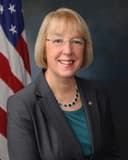
SPONSORSHIP
1 + 38
D· Washington
YRS IN OFFICE
33
BILLS LED
44
COSPONSOR BREAKDOWNBIPARTISAN · 0%
DEM 36 REP 0 IND 2
ACTION TIMELINE
2 EVENTSMAY 7
Introduced in Senate
MAY 7
Read twice and referred to the Committee on Commerce, Science, and Transportation.
BILL INFO
TypeSenate Bill
NumberS 1663
Congress119th
StatusIn Committee
IntroducedMay 7, 2025
Last actionMay 7, 2025
READER REACTIONS
OVERALL SENTIMENT
No reactions yet. Be the first to weigh in.
Discussion
Loading comments...
IN COMMITTEE· 119TH CONGRESS · COMMERCE, SCIENCE, AND TRANSPORTATION COMMITTEE · INTRODUCED MAY 7, 2025
Senate BillS 1663Commerce
Therapeutic Fraud Prevention Act of 2025
INTRODUCED MAY 7, 2025· LAST ACTION MAY 7, 2025
PASSAGE CHANCES
—%
READING
8 min
COSPONSORS
38
COMPLEXITY
Moderate