Bills · S 161
REPORTED· 119TH CONGRESS
Senate BillS 161Department of TransportationMotor vehicles
She DRIVES Act
INTRO JAN 21· LAST ACTION JUL 31
READING
16MIN
COSPONSORS
13BIPARTISAN
READER REACTIONS0 TOTAL
NO VOTES YET · BE THE FIRST
- Reported, not passed
LEGISLATIVE PROGRESS
STEP 3 / 8Introduced
In Committee
Reported
Passed Senate
Passed House
Conference
To President
Became Law
WHAT THE BILL DOES
AI-writtenThis bill matters because car safety, particularly in crash situations, has historically been developed based on crash test dummies that primarily represent an average adult male. This has led to concerns that vehicles may not offer equal protection to occupants with different body types, such as women, who statistically face a higher risk of injury in certain types of crashes.
If this bill becomes law, cars will be designed and evaluated with a more inclusive approach to occupant safety, potentially leading to fewer injuries and fatalities for a broader range of the population. If it doesn't become law, the current testing standards, which may not adequately address the safety needs of all occupants, would continue, potentially perpetuating existing disparities in crash safety outcomes.
KEY PROVISIONS
5AI-extractedPROVISION 01
Requires the Secretary of Transportation to include a 50th percentile adult male and a 5th percentile adult female 'THOR' crash test dummy in frontal impact testing regulations.
This ensures that car safety testing for front-end crashes considers a broader range of body types, potentially leading to more equitable safety outcomes.
PROVISION 02
Requires the Secretary of Transportation to include a 50th percentile adult male and a 5th percentile adult female 'WorldSID' crash test dummy in side impact testing regulations.
This expands the diversity of crash test dummies used for side-impact crashes, improving safety for more occupants in common accident scenarios.
PROVISION 03
Mandates establishing or updating injury criteria for these new crash test dummies based on real-world injuries and the potential to increase safety.
This makes crash testing more realistic and effective by linking test results directly to actual injury patterns observed in accidents.
PROVISION 04
Requires establishing frontal impact crashworthiness tests for adult female occupants in all front seating positions currently tested for adult male occupants.
This directly addresses historical disparities by ensuring that safety evaluations explicitly include female occupants in positions typically tested for males.
PROVISION 05
Directs the update of the New Car Assessment Program (NCAP) to use these new frontal impact testing devices.
This means that official consumer safety ratings for new cars will reflect testing that is more inclusive of different body types.
SPONSORSHIP
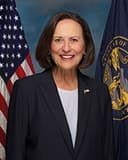
1 + 13
R· Nebraska
YRS IN OFFICE
13
BILLS LED
34
COSPONSOR BREAKDOWNBIPARTISAN · 92%
DEM 7 REP 6 IND 0
ACTION TIMELINE
5 EVENTSJUL 31
Committee on Commerce, Science, and Transportation. Reported by Senator Cruz with an amendment in the nature of a substitute. With written report No. 119-56.
JUL 31
Placed on Senate Legislative Calendar under General Orders. Calendar No. 141.
FEB 5
Committee on Commerce, Science, and Transportation. Ordered to be reported with an amendment in the nature of a substitute favorably.
JAN 21
Introduced in Senate
BILL INFO
TypeSenate Bill
NumberS 161
Congress119th
StatusReported
IntroducedJan 21, 2025
Last actionJul 31, 2025
READER REACTIONS
OVERALL SENTIMENT
No reactions yet. Be the first to weigh in.
Discussion
Loading comments...
REPORTED· 119TH CONGRESS · COMMERCE, SCIENCE, AND TRANSPORTATION COMMITTEE · INTRODUCED JAN 21, 2025
Senate BillS 161Department of TransportationMotor vehicles
She DRIVES Act
INTRODUCED JAN 21, 2025· LAST ACTION JUL 31, 2025
PASSAGE CHANCES
—%
READING
16 min
COSPONSORS
13
COMPLEXITY
Moderate