Bills · S 1597
IN COMMITTEE· 119TH CONGRESS
Senate BillS 1597Government employee pay, benefits, personnel managementLabor-management relations
Paycheck Protection Act
This bill stops federal agencies and the Postal Service from using their payroll systems to collect union dues or political donations from workers' pay.AI-written
INTRO MAY 5· LAST ACTION MAY 5
PASSAGE CHANCESLONG SHOT
10%
READING
2MIN
COSPONSORS
3
READER REACTIONS0 TOTAL
NO VOTES YET · BE THE FIRST
- Introduced only
tl;dr
AI-writtenBans the federal government and the U.S. Postal Service from automatically deducting union dues or political fees from employee paychecks, requiring workers to pay these costs themselves.
LEGISLATIVE PROGRESS
STEP 2 / 8Introduced
In Committee
Reported
Passed Senate
Passed House
Conference
To President
Became Law
WHAT THE BILL DOES
AI-writtenThis bill matters because it changes how federal unions fund their operations and how workers manage their money. For employees, it adds an extra step to maintaining union membership and ensures that no money is diverted to political causes without them taking a proactive step outside of their workplace.
For the unions, this is a significant logistical challenge. Automatic payroll deduction is the most reliable way for organizations to collect dues; removing it often leads to a drop in collected funds and membership. Supporters see this as a way to separate government operations from political activity, while opponents see it as an attempt to weaken the financial and organizational power of labor unions.
KEY PROVISIONS
3AI-extractedPROVISION 01
Ends payroll deductions for union dues in federal agencies.
It removes the primary method federal unions use to collect membership funds.
PROVISION 02
Ends payroll deductions for union dues at the U.S. Postal Service.
It applies the same restrictions to the massive postal workforce, which has high union participation.
PROVISION 03
Prohibits deductions for political contributions and fees.
It ensures that no part of the government's payment system is used for political fundraising.
SPONSORSHIP
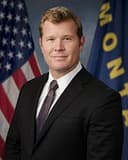
1 + 3
R· Montana
YRS IN OFFICE
1
BILLS LED
75
COSPONSOR BREAKDOWNBIPARTISAN · 0%
DEM 0 REP 3 IND 0
ACTION TIMELINE
2 EVENTSMAY 5
Introduced in Senate
MAY 5
Read twice and referred to the Committee on Homeland Security and Governmental Affairs.
BILL INFO
TypeSenate Bill
NumberS 1597
Congress119th
StatusIn Committee
IntroducedMay 5, 2025
Last actionMay 5, 2025
READER REACTIONS
OVERALL SENTIMENT
No reactions yet. Be the first to weigh in.
Discussion
Loading comments...
IN COMMITTEE· 119TH CONGRESS · HOMELAND SECURITY AND GOVERNMENTAL AFFAIRS COMMITTEE · INTRODUCED MAY 5, 2025
Senate BillS 1597Government employee pay, benefits, personnel managementLabor-management relations
Paycheck Protection Act
This bill stops federal agencies and the Postal Service from using their payroll systems to collect union dues or political donations from workers' pay.AI-written
INTRODUCED MAY 5, 2025· LAST ACTION MAY 5, 2025
PASSAGE CHANCES
10%
READING
2 min
COSPONSORS
3
COMPLEXITY
Simple