Bills · S 1584
IN COMMITTEE· 119TH CONGRESS
Senate BillS 1584Environmental Protection
Transparency and Honesty in Energy Regulations Act of 2025
INTRO MAY 1· LAST ACTION MAY 1
READING
8MIN
COSPONSORS
0
READER REACTIONS0 TOTAL
NO VOTES YET · BE THE FIRST
- Introduced only
LEGISLATIVE PROGRESS
STEP 2 / 8Introduced
In Committee
Reported
Passed Senate
Passed House
Conference
To President
Became Law
WHAT THE BILL DOES
AI-writtenThis bill matters because it changes how the government weighs the costs and benefits of regulations that affect climate change. If it becomes law, federal agencies will no longer be able to include the estimated future economic damages from greenhouse gas emissions when they are analyzing a new rule or project. This could lead to different policy decisions, as regulations aimed at reducing emissions might appear to have fewer quantifiable benefits if the "social cost" isn't included in the calculation.
Voters should care because this impacts the transparency and comprehensiveness of how the government assesses policies related to energy and the environment. Without considering these social costs, some argue that the full economic picture of climate pollution is ignored, potentially leading to less stringent environmental protections or different energy development priorities. Others argue that removing these costs leads to more honest economic analysis by focusing on direct costs and benefits rather than speculative future damages.
KEY PROVISIONS
2AI-extractedPROVISION 01
Prohibits all federal agencies from considering the 'social cost of carbon,' 'social cost of methane,' 'social cost of nitrous oxide,' or any other 'social cost of greenhouse gases' when taking any action.
This is the core of the bill, stopping agencies from using specific climate damage estimates in their regulatory analysis.
PROVISION 02
Defines "social cost of carbon" and other greenhouse gas social costs by referring to specific government technical documents and any other estimates of monetized damages from incremental emissions.
These definitions clearly identify the specific economic tools that federal agencies would be barred from using.
SPONSORSHIP
1 + 0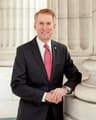
R· Oklahoma
YRS IN OFFICE
15
BILLS LED
77
ACTION TIMELINE
2 EVENTSMAY 1
Introduced in Senate
MAY 1
Read twice and referred to the Committee on Homeland Security and Governmental Affairs.
BILL INFO
TypeSenate Bill
NumberS 1584
Congress119th
StatusIn Committee
IntroducedMay 1, 2025
Last actionMay 1, 2025
READER REACTIONS
OVERALL SENTIMENT
No reactions yet. Be the first to weigh in.
Discussion
Loading comments...
IN COMMITTEE· 119TH CONGRESS · HOMELAND SECURITY AND GOVERNMENTAL AFFAIRS COMMITTEE · INTRODUCED MAY 1, 2025
Senate BillS 1584Environmental Protection
Transparency and Honesty in Energy Regulations Act of 2025
INTRODUCED MAY 1, 2025· LAST ACTION MAY 1, 2025
PASSAGE CHANCES
—%
READING
8 min
COSPONSORS
0
COMPLEXITY
Moderate