Bills · S 1575
IN COMMITTEE· 119TH CONGRESS
Senate BillS 1575Public Lands and Natural Resources
RESERVE Federal Land Act
INTRO MAY 1· LAST ACTION MAY 1
READING
5MIN
COSPONSORS
0
READER REACTIONS0 TOTAL
NO VOTES YET · BE THE FIRST
- Introduced only
LEGISLATIVE PROGRESS
STEP 2 / 8Introduced
In Committee
Reported
Passed Senate
Passed House
Conference
To President
Became Law
WHAT THE BILL DOES
AI-writtenAmericans who enjoy visiting federal lands such as national parks, national forests, and wildlife refuges for activities like camping, hiking, or fishing would be directly affected. The study aims to understand their experiences with reservation systems, including how easy or difficult it is to secure a spot, and whether the systems create any unfair barriers to access.
Federal agencies like the National Park Service, Forest Service, and Bureau of Land Management, as well as third-party contractors that run these reservation systems (like Recreation.gov), would also be affected. The study will review their current practices, data collection, and fee structures, potentially leading to recommendations that change how they operate.
KEY PROVISIONS
5AI-extractedPROVISION 01
Requires the Secretaries of the Interior, Agriculture, and Army to contract the National Academy of Sciences to study federal land reservation systems.
This initiates an independent, expert review of how millions of Americans access national parks and other public lands.
PROVISION 02
The study must review the history, effectiveness, visitor feedback, and scientific literature related to these reservation systems.
This ensures a thorough historical and performance-based analysis of the existing systems.
PROVISION 03
The study must answer specific questions about benefits, challenges, data needs, user demographics, potential barriers, and best practices for system design.
This directs the study to address critical issues like equitable access, user experience, and resource management.
PROVISION 04
The study must examine how fees are collected and spent, the odds of securing a reservation, data sharing practices, and adaptations to new technologies.
This focuses on transparency, fairness, and the modernization of reservation systems to combat issues like bots.
PROVISION 05
The National Academy of Sciences must submit a report to Congress within 18 months of entering the agreement.
This sets a clear timeline for delivering the findings and recommendations to policymakers.
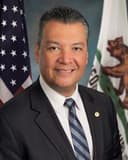
SPONSORSHIP
1 + 0
D· California
YRS IN OFFICE
3
BILLS LED
108
ACTION TIMELINE
2 EVENTSMAY 1
Introduced in Senate
MAY 1
Read twice and referred to the Committee on Energy and Natural Resources.
BILL INFO
TypeSenate Bill
NumberS 1575
Congress119th
StatusIn Committee
IntroducedMay 1, 2025
Last actionMay 1, 2025
READER REACTIONS
OVERALL SENTIMENT
No reactions yet. Be the first to weigh in.
Discussion
Loading comments...
IN COMMITTEE· 119TH CONGRESS · ENERGY AND NATURAL RESOURCES COMMITTEE · INTRODUCED MAY 1, 2025
Senate BillS 1575Public Lands and Natural Resources
RESERVE Federal Land Act
INTRODUCED MAY 1, 2025· LAST ACTION MAY 1, 2025
PASSAGE CHANCES
—%
READING
5 min
COSPONSORS
0
COMPLEXITY
Moderate