Bills · S 156
IN COMMITTEE· 119TH CONGRESS
Senate BillS 156Agriculture and Food
Increased TSP Access Act of 2025
INTRO JAN 21· LAST ACTION JAN 21
READING
7MIN
COSPONSORS
2
READER REACTIONS0 TOTAL
NO VOTES YET · BE THE FIRST
- Introduced only
LEGISLATIVE PROGRESS
STEP 2 / 8Introduced
In Committee
Reported
Passed Senate
Passed House
Conference
To President
Became Law
WHAT THE BILL DOES
AI-writtenVoters should care about this bill because it aims to improve how conservation efforts are implemented across the country. Many farmers rely on federal programs to adopt environmentally friendly practices, but sometimes they struggle to get timely technical assistance, which can delay or hinder these important projects. If this bill becomes law, it is expected to increase the pool of available experts, making it faster and easier for farmers to access the help they need. This could lead to more widespread and effective adoption of conservation practices, benefiting the environment through improved soil health, water quality, and wildlife habitats.
If the bill doesn't become law, the current system for certifying technical service providers would remain largely unchanged. This might continue to limit the availability of expert assistance for farmers, potentially slowing down conservation efforts and making it harder for producers to meet the requirements of federal programs. The bill seeks to address a recognized bottleneck in conservation program delivery, and its passage could have tangible benefits for both agricultural producers and the natural environment.
KEY PROVISIONS
5AI-extractedPROVISION 01
Allows non-federal entities, including state agencies and private sector organizations, to become approved certifiers for Technical Service Providers (TSPs).
This greatly expands the capacity to certify experts, potentially increasing the number of TSPs available to farmers.
PROVISION 02
Directs the Secretary of Agriculture to establish a streamlined certification process for certain professionals (like certified crop advisors) who already hold appropriate specialty certifications.
This makes it quicker and easier for qualified individuals to become TSPs, reducing administrative hurdles.
PROVISION 03
Requires the Secretary to review the certification requirements for TSPs at least annually and conduct outreach to gather feedback from providers and agricultural groups.
Ensures the program remains effective, responsive to needs, and continuously improves the quality of conservation practices.
PROVISION 04
Mandates the Secretary establish fair and reasonable payment rates for technical services provided by TSPs, equivalent to but not exceeding federal rates.
This ensures TSPs are adequately compensated, encouraging participation and maintaining quality services.
PROVISION 05
Sets clear deadlines for the Secretary to act on applications for non-federal certifying entities (40 business days) and to review and list newly certified providers (10 business days).
Ensures timely federal action, preventing delays in expanding TSP capacity and improving program efficiency.
SPONSORSHIP
1 + 2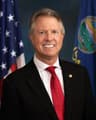
R· Kansas
YRS IN OFFICE
9
BILLS LED
73
COSPONSOR BREAKDOWNBIPARTISAN · 0%
DEM 2 REP 0 IND 0
ACTION TIMELINE
2 EVENTSJAN 21
Introduced in Senate
JAN 21
Read twice and referred to the Committee on Agriculture, Nutrition, and Forestry.
BILL INFO
TypeSenate Bill
NumberS 156
Congress119th
StatusIn Committee
IntroducedJan 21, 2025
Last actionJan 21, 2025
READER REACTIONS
OVERALL SENTIMENT
No reactions yet. Be the first to weigh in.
Discussion
Loading comments...
IN COMMITTEE· 119TH CONGRESS · AGRICULTURE, NUTRITION, AND FORESTRY COMMITTEE · INTRODUCED JAN 21, 2025
Senate BillS 156Agriculture and Food
Increased TSP Access Act of 2025
INTRODUCED JAN 21, 2025· LAST ACTION JAN 21, 2025
PASSAGE CHANCES
—%
READING
7 min
COSPONSORS
2
COMPLEXITY
Moderate