Bills · S 1434
IN COMMITTEE· 119TH CONGRESS
Senate BillS 1434Government Operations and Politics
TRACKS Act
INTRO APR 10· LAST ACTION APR 10
READING
2MIN
COSPONSORS
0
READER REACTIONS0 TOTAL
NO VOTES YET · BE THE FIRST
- Introduced only
LEGISLATIVE PROGRESS
STEP 2 / 8Introduced
In Committee
Reported
Passed Senate
Passed House
Conference
To President
Became Law
WHAT THE BILL DOES
AI-writtenVoters should care about this bill because it aims to provide greater transparency regarding the use of taxpayer dollars, particularly when those funds flow indirectly to countries or entities that are considered adversaries or national security concerns by the U.S. government. In an increasingly complex global environment, understanding the full reach of federal funding helps ensure accountability and can inform foreign policy decisions.
If this bill becomes law, the public and policymakers will have a clearer picture of financial relationships between U.S. federal award recipients and specific foreign actors. If it doesn't become law, these particular subawards might continue to be less visible, making it harder to track the ultimate destination of U.S. funds in sensitive contexts and potentially limiting oversight over certain international financial flows.
KEY PROVISIONS
3AI-extractedPROVISION 01
The bill clearly defines what a "subaward" is within the context of federal funding, including money passed from one subrecipient to another.
This definition creates a standardized understanding of what financial transfers must be tracked, ensuring consistent reporting.
PROVISION 02
It requires the public reporting of all "covered subawards," which are financial transfers from a U.S. federal award recipient to an entity located in a "foreign country of concern" or to a "foreign entity of concern."
This provision increases transparency regarding the flow of U.S. taxpayer money to potentially sensitive foreign destinations, regardless of the amount.
PROVISION 03
The Director of the Office of Management and Budget (OMB) must issue guidance within 90 days of the bill's enactment to ensure consistent reporting standards.
This ensures that all agencies and recipients understand how to comply with the new reporting requirements uniformly, reducing confusion.
SPONSORSHIP
1 + 0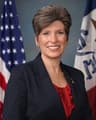
R· Iowa
YRS IN OFFICE
11
BILLS LED
99
ACTION TIMELINE
2 EVENTSAPR 10
Introduced in Senate
APR 10
Read twice and referred to the Committee on Homeland Security and Governmental Affairs.
BILL INFO
TypeSenate Bill
NumberS 1434
Congress119th
StatusIn Committee
IntroducedApr 10, 2025
Last actionApr 10, 2025
READER REACTIONS
OVERALL SENTIMENT
No reactions yet. Be the first to weigh in.
Discussion
Loading comments...
IN COMMITTEE· 119TH CONGRESS · HOMELAND SECURITY AND GOVERNMENTAL AFFAIRS COMMITTEE · INTRODUCED APR 10, 2025
Senate BillS 1434Government Operations and Politics
TRACKS Act
INTRODUCED APR 10, 2025· LAST ACTION APR 10, 2025
PASSAGE CHANCES
—%
READING
2 min
COSPONSORS
0
COMPLEXITY
Moderate