Bills · S 1369
REPORTED· 119TH CONGRESS
Senate BillS 1369Foreign propertySanctions
Protecting Global Fisheries Act of 2026
INTRO APR 9· LAST ACTION FEB 10
READING
20MIN
COSPONSORS
5
READER REACTIONS0 TOTAL
NO VOTES YET · BE THE FIRST
- Reported, not passed
LEGISLATIVE PROGRESS
STEP 3 / 8Introduced
In Committee
Reported
Passed Senate
Passed House
Conference
To President
Became Law
WHAT THE BILL DOES
AI-writtenThis bill matters because illegal fishing and the illegal trade of endangered species are major threats to ocean health, global food supplies, and biodiversity. These activities often deplete fish stocks, harm marine ecosystems, and undermine the livelihoods of legitimate fishers. If passed, this bill would give the U.S. a powerful new tool—economic and travel sanctions—to directly target and disrupt the operations of foreign entities that engage in these destructive practices. This could make it more difficult and costly for criminals to profit from exploiting our oceans and wildlife.
Without this bill, the U.S. might rely on less direct or comprehensive measures, which could allow these illicit activities to continue with fewer consequences. By authorizing sanctions and emphasizing international collaboration, the bill signals a stronger, more coordinated global response. It means real economic and travel consequences for those engaging in marine crimes, potentially leading to healthier oceans, more sustainable fisheries, and better protection for endangered species worldwide.
KEY PROVISIONS
4AI-extractedPROVISION 01
Authorizes the President to impose sanctions on foreign individuals, entities, or vessels involved in illegal, unreported, or unregulated (IUU) fishing or the illegal trade of endangered species.
This provides the U.S. with a direct and specific mechanism to penalize those who harm global fisheries and wildlife.
PROVISION 02
The sanctions that can be imposed include blocking all property and interests in property of the foreign person or entity that are within the United States.
This provision can directly hit the financial assets of those involved in illicit activities, making it harder for them to operate.
PROVISION 03
Sanctions also include making individuals (aliens) involved in these activities ineligible for visas and inadmissible to the United States, and revoking any valid visas.
This directly impacts the ability of individuals responsible for illegal fishing or trade to travel to or reside in the U.S.
PROVISION 04
Directs the Secretary of State to prioritize international collaboration with allies and in global forums to combat IUU fishing, including deploying technology and holding offenders accountable, with a focus on actions by the People's Republic of China.
This emphasizes diplomatic efforts and coordinated international action to address a complex transnational problem and identifies a key area of concern.
SPONSORSHIP
1 + 5
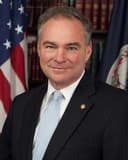
D· Virginia
YRS IN OFFICE
13
BILLS LED
0
COSPONSOR BREAKDOWNBIPARTISAN · 40%
DEM 1 REP 4 IND 0
ACTION TIMELINE
5 EVENTSFEB 10
Committee on Foreign Relations. Reported by Senator Risch with an amendment in the nature of a substitute. Without written report.
FEB 10
Placed on Senate Legislative Calendar under General Orders. Calendar No. 322.
JAN 29
Committee on Foreign Relations. Ordered to be reported with an amendment in the nature of a substitute favorably.
APR 9
Introduced in Senate
BILL INFO
TypeSenate Bill
NumberS 1369
Congress119th
StatusReported
IntroducedApr 9, 2025
Last actionFeb 10, 2026
READER REACTIONS
OVERALL SENTIMENT
No reactions yet. Be the first to weigh in.
Discussion
Loading comments...
REPORTED· 119TH CONGRESS · FOREIGN RELATIONS COMMITTEE · INTRODUCED APR 9, 2025
Senate BillS 1369Foreign propertySanctions
Protecting Global Fisheries Act of 2026
INTRODUCED APR 9, 2025· LAST ACTION FEB 10, 2026
PASSAGE CHANCES
—%
READING
20 min
COSPONSORS
5
COMPLEXITY
Moderate