Bills · S 1303
IN COMMITTEE· 119TH CONGRESS
Senate BillS 1303Smithsonian InstitutionGovernment buildings, facilities, and property
Smithsonian American Women’s History Museum Act
INTRO APR 3· LAST ACTION APR 3
READING
5MIN
COSPONSORS
4BIPARTISAN
READER REACTIONS0 TOTAL
NO VOTES YET · BE THE FIRST
- Introduced only
LEGISLATIVE PROGRESS
STEP 2 / 8Introduced
In Committee
Reported
Passed Senate
Passed House
Conference
To President
Became Law
WHAT THE BILL DOES
AI-writtenThis bill matters because it would give the Smithsonian American Women's History Museum a highly visible and accessible location on the National Mall, placing it among other major national museums. This prominent placement could significantly increase its visitorship and impact, elevating the public's awareness and understanding of women's contributions to American history. Without this bill, the museum might be relegated to a less central or less prominent location, potentially limiting its reach and recognition.
Furthermore, the bill's provisions regarding content diversity are important for ensuring that the museum reflects the full spectrum of women's experiences and viewpoints in the United States. If the bill becomes law, the museum would be explicitly mandated to include a wide array of perspectives, which could foster a more inclusive and comprehensive understanding of history. If it doesn't pass, the museum would still be built (as it was authorized in 2020), but without the specific mandate for a National Mall location and without the explicit, detailed requirements for diverse representation in its exhibits and programs, potentially leading to different site selection and content development processes.
KEY PROVISIONS
4AI-extractedPROVISION 01
Permits the Smithsonian American Women's History Museum to be built within the Reserve of the National Mall.
This allows the museum to have a prime, highly visible location in Washington, D.C., increasing its public access and national prominence.
PROVISION 02
Establishes a process for transferring federal land to the Smithsonian if the chosen museum site is under another agency's jurisdiction.
This provides a clear legal pathway for the museum to acquire necessary land, streamlining potential site development challenges.
PROVISION 03
Requires the museum's exhibits and programs to ensure diversity of political viewpoints and authentic experiences of women in the U.S.
This aims to ensure the museum's content is comprehensive and inclusive, representing a broad range of perspectives and histories.
PROVISION 04
Mandates regular reports to Congress on how the museum is complying with the requirements for diverse representation in its content.
This provides oversight and accountability for the museum's adherence to its mission of broad and inclusive historical representation.
SPONSORSHIP
1 + 4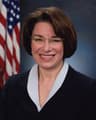
D· Minnesota
YRS IN OFFICE
19
BILLS LED
95
COSPONSOR BREAKDOWNBIPARTISAN · 50%
DEM 3 REP 1 IND 0
ACTION TIMELINE
2 EVENTSAPR 3
Introduced in Senate
APR 3
Read twice and referred to the Committee on Rules and Administration.
BILL INFO
TypeSenate Bill
NumberS 1303
Congress119th
StatusIn Committee
IntroducedApr 3, 2025
Last actionApr 3, 2025
READER REACTIONS
OVERALL SENTIMENT
No reactions yet. Be the first to weigh in.
Discussion
Loading comments...
IN COMMITTEE· 119TH CONGRESS · RULES AND ADMINISTRATION COMMITTEE · INTRODUCED APR 3, 2025
Senate BillS 1303Smithsonian InstitutionGovernment buildings, facilities, and property
Smithsonian American Women’s History Museum Act
INTRODUCED APR 3, 2025· LAST ACTION APR 3, 2025
PASSAGE CHANCES
—%
READING
5 min
COSPONSORS
4
COMPLEXITY
Moderate