Bills · S 1085
IN COMMITTEE· 119TH CONGRESS
Senate BillS 1085Health
MedShield Act of 2025
INTRO MAR 14· LAST ACTION MAR 14
READING
5MIN
COSPONSORS
1
READER REACTIONS0 TOTAL
NO VOTES YET · BE THE FIRST
- Introduced only
LEGISLATIVE PROGRESS
STEP 2 / 8Introduced
In Committee
Reported
Passed Senate
Passed House
Conference
To President
Became Law
WHAT THE BILL DOES
AI-writtenVoters should care about this bill because it aims to prevent a repeat of the widespread disruption, economic damage, and loss of life experienced during the COVID-19 pandemic. By investing in artificial intelligence and advanced technologies now, the bill seeks to build a permanent, proactive defense system, rather than waiting to react in an emergency. If this becomes law, the U.S. could be significantly better prepared to detect, track, and combat new diseases, potentially saving lives and minimizing future crises.
If this bill doesn't become law, the U.S. might continue to rely on reactive, emergency-driven approaches to pandemics, which can be less efficient, more costly, and slower to implement. This could result in longer response times to new health threats, delays in developing and distributing life-saving medical solutions, and less coordinated national and international efforts, leaving the country more vulnerable to the impacts of future public health emergencies.
KEY PROVISIONS
5AI-extractedPROVISION 01
Requires the Secretary of Health and Human Services to establish the "MedShield program" to enhance pandemic preparedness and response using artificial intelligence.
This creates a dedicated, continuously operating program for national biodefense using modern technology.
PROVISION 02
Directs the MedShield program to develop and deploy a global pathogen surveillance system for real-time detection and tracking.
This provides an early warning system to identify and monitor biological threats as they emerge around the world.
PROVISION 03
Mandates the use of artificial intelligence to accelerate the identification and development of effective vaccines and therapeutic treatments.
This aims to significantly speed up the availability of life-saving medical solutions during a pandemic.
PROVISION 04
Requires the Secretary to develop a plan for integrating the program with other federal agencies and international partners.
This ensures a coordinated national and global effort against pandemics, avoiding fragmented responses.
PROVISION 05
Authorizes specific funding amounts totaling $2 billion over five fiscal years for the MedShield program.
This provides the necessary financial resources to build and operate the program.
SPONSORSHIP
1 + 1
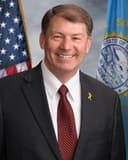
R· South Dakota
YRS IN OFFICE
11
BILLS LED
63
COSPONSOR BREAKDOWNBIPARTISAN · 0%
DEM 1 REP 0 IND 0
ACTION TIMELINE
2 EVENTSMAR 14
Introduced in Senate
MAR 14
Read twice and referred to the Committee on Health, Education, Labor, and Pensions.
BILL INFO
TypeSenate Bill
NumberS 1085
Congress119th
StatusIn Committee
IntroducedMar 14, 2025
Last actionMar 14, 2025
READER REACTIONS
OVERALL SENTIMENT
No reactions yet. Be the first to weigh in.
Discussion
Loading comments...
IN COMMITTEE· 119TH CONGRESS · HEALTH, EDUCATION, LABOR, AND PENSIONS COMMITTEE · INTRODUCED MAR 14, 2025
Senate BillS 1085Health
MedShield Act of 2025
INTRODUCED MAR 14, 2025· LAST ACTION MAR 14, 2025
PASSAGE CHANCES
—%
READING
5 min
COSPONSORS
1
COMPLEXITY
Moderate