Bills · S 1062
IN COMMITTEE· 119TH CONGRESS
Senate BillS 1062Health
Suicide Prevention Act
INTRO MAR 13· LAST ACTION MAR 13
READING
8MIN
COSPONSORS
1
READER REACTIONS0 TOTAL
NO VOTES YET · BE THE FIRST
- Introduced only
LEGISLATIVE PROGRESS
STEP 2 / 8Introduced
In Committee
Reported
Passed Senate
Passed House
Conference
To President
Became Law
WHAT THE BILL DOES
AI-writtenThis bill addresses the serious public health issue of suicide and self-harm by improving how these incidents are tracked and by providing direct intervention services. If it becomes law, it means that public health experts will have more comprehensive and timely data, allowing them to identify trends, understand risk factors, and develop more effective prevention programs faster. This could lead to better-informed community responses to suicide clusters and targeted support for at-risk groups.
For individuals, the bill's focus on emergency departments is particularly important because ERs are often the first point of contact for people in acute mental health crises. By requiring screenings and offering immediate support and referrals, the bill could significantly reduce the risk of future self-harm or suicide attempts for these vulnerable individuals. Without this bill, data collection would remain fragmented, and many ERs might not have dedicated programs to address suicide prevention after discharge, potentially missing crucial opportunities to intervene during a crisis.
KEY PROVISIONS
4AI-extractedPROVISION 01
Establishes a grant program for State, local, Tribal, and territorial public health departments to expand real-time surveillance (data collection) of self-harm and suicides.
This aims to create a more comprehensive national picture of self-harm incidents, helping to identify trends and inform prevention efforts.
PROVISION 02
Requires grantees to share collected data on self-harm and suicides with the Centers for Disease Control and Prevention (CDC), disaggregated by categories like suicidal intent.
Centralizing and categorizing this data is crucial for tracking clusters, developing targeted prevention programs, and supporting research.
PROVISION 03
Creates a grant program for hospital emergency departments to provide self-harm and suicide prevention services.
This provision directly targets a critical point of contact for individuals in crisis, ensuring they receive immediate screening, support, and referrals.
PROVISION 04
Authorizes $30,000,000 for each of fiscal years 2026 through 2030 to fund the self-harm surveillance program.
This funding provides the necessary financial resources to implement and sustain the expanded data collection efforts across various public health departments.
SPONSORSHIP
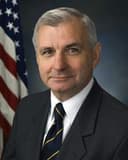
1 + 1
D· Rhode Island
YRS IN OFFICE
35
BILLS LED
43
COSPONSOR BREAKDOWNBIPARTISAN · 0%
DEM 0 REP 1 IND 0
ACTION TIMELINE
2 EVENTSMAR 13
Introduced in Senate
MAR 13
Read twice and referred to the Committee on Health, Education, Labor, and Pensions. (Sponsor introductory remarks on measure: CR S1747)
BILL INFO
TypeSenate Bill
NumberS 1062
Congress119th
StatusIn Committee
IntroducedMar 13, 2025
Last actionMar 13, 2025
READER REACTIONS
OVERALL SENTIMENT
No reactions yet. Be the first to weigh in.
Discussion
Loading comments...
IN COMMITTEE· 119TH CONGRESS · HEALTH, EDUCATION, LABOR, AND PENSIONS COMMITTEE · INTRODUCED MAR 13, 2025
Senate BillS 1062Health
Suicide Prevention Act
INTRODUCED MAR 13, 2025· LAST ACTION MAR 13, 2025
PASSAGE CHANCES
—%
READING
8 min
COSPONSORS
1
COMPLEXITY
Moderate