Bills · HRES 915
IN COMMITTEE· 119TH CONGRESS
House Res.HRES 915International Affairs
Expressing the sense of the House of Representatives that the Ukrainian famine of 1932-1933, known as the Holodomor, is recognized as a genocide and should serve as a reminder of repressive Soviet policies against the people of Ukraine.
INTRO NOV 28· LAST ACTION NOV 28
READING
3MIN
COSPONSORS
18BIPARTISAN
READER REACTIONS0 TOTAL
NO VOTES YET · BE THE FIRST
- Non-binding
- Commemorative
LEGISLATIVE PROGRESS
STEP 2 / 8Introduced
In Committee
Reported
Passed House
Passed Senate
Conference
To President
Became Law
WHAT THE BILL DOES
AI-writtenThis resolution would primarily affect people of Ukrainian descent, both in the United States and worldwide, by formally acknowledging a tragic part of their history. For them, it represents a significant act of remembrance and validation of their community's suffering. It could also affect historians and educators by encouraging the dissemination of information about the Holodomor and shaping how this event is taught and understood in the U.S.
While not directly changing U.S. foreign policy, the resolution also sends a strong diplomatic message to Russia and the international community, reflecting the U.S. stance on both historical and contemporary events in Ukraine. It reinforces the U.S. position on human rights and the sovereignty of nations.
KEY PROVISIONS
5AI-extractedPROVISION 01
Recognizes the 1932-1933 Ukrainian famine (Holodomor) as a genocide.
This officially labels the Holodomor as a genocide, affirming a specific interpretation of history and supporting Ukrainian historical narratives.
PROVISION 02
Condemns the systematic human rights violations, including starvation and persecution, carried out by the Soviet Union against the Ukrainian people during the Holodomor.
It formally condemns historical actions by the Soviet regime, reinforcing the U.S. commitment to human rights.
PROVISION 03
Encourages the spread of information about the Holodomor to increase understanding of this Soviet-engineered genocide.
This promotes education and awareness, ensuring that the historical event is remembered and understood by a wider audience.
PROVISION 04
Condemns Vladimir Putin's current war in Ukraine and his denial of Ukrainian people's existence and sovereignty.
It directly links historical grievances to current geopolitical events, showing solidarity with Ukraine in the face of ongoing conflict.
PROVISION 05
Strongly supports efforts for lasting peace in Ukraine and deterring future Russian aggression.
This provision expresses the House's commitment to supporting international efforts for stability and security in the region.
SPONSORSHIP
1 + 18
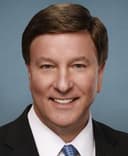
R· Alabama
YRS IN OFFICE
23
BILLS LED
12
COSPONSOR BREAKDOWNBIPARTISAN · 88%
DEM 10 REP 8 IND 0
ACTION TIMELINE
2 EVENTSNOV 28
Submitted in House
NOV 28
Referred to the House Committee on Foreign Affairs.
BILL INFO
TypeHouse Resolution
NumberHRES 915
Congress119th
StatusIn Committee
IntroducedNov 28, 2025
Last actionNov 28, 2025
READER REACTIONS
OVERALL SENTIMENT
No reactions yet. Be the first to weigh in.
Discussion
Loading comments...
IN COMMITTEE· 119TH CONGRESS · FOREIGN AFFAIRS COMMITTEE · INTRODUCED NOV 28, 2025
House Res.HRES 915International Affairs
Expressing the sense of the House of Representatives that the Ukrainian famine of 1932-1933, known as the Holodomor, is recognized as a genocide and should serve as a reminder of repressive Soviet policies against the people of Ukraine.
INTRODUCED NOV 28, 2025· LAST ACTION NOV 28, 2025
PASSAGE CHANCES
—%
READING
3 min
COSPONSORS
18
COMPLEXITY
Moderate