Bills · HRES 797
IN COMMITTEE· 119TH CONGRESS
House Res.HRES 797Civil Rights and Liberties, Minority Issues
Expressing concern about the growing problem of book banning and the proliferation of threats to freedom of expression in the United States.
INTRO OCT 8· LAST ACTION OCT 8
READING
9MIN
COSPONSORS
59
READER REACTIONS0 TOTAL
NO VOTES YET · BE THE FIRST
- Non-binding
LEGISLATIVE PROGRESS
STEP 2 / 8Introduced
In Committee
Reported
Passed House
Passed Senate
Conference
To President
Became Law
WHAT THE BILL DOES
AI-writtenVoters should care about this bill because it highlights a current and contentious debate impacting education and individual freedoms in the United States. Book banning is an ongoing issue in many communities, affecting what children can read and learn in schools and public libraries. If this resolution becomes law, it won't change any existing laws or policies directly, but it represents a formal stance by a part of the U.S. government on the importance of free expression and access to diverse information.
This resolution underscores that freedom of speech and the ability to read widely are crucial for a strong democracy, allowing individuals to form their own views and engage with different perspectives. By formally expressing concern, lawmakers are signaling the seriousness of the issue and potentially influencing future discussions or legislative efforts regarding education, library policies, and First Amendment rights. If it doesn't become law, it means this particular expression of concern by these lawmakers would not be officially adopted by the House.
KEY PROVISIONS
4AI-extractedPROVISION 01
Expresses concern about the growing problem of book banning and threats to freedom of expression in the United States.
This provision establishes the core message of the resolution, formally stating a legislative body's stance on a prominent issue.
PROVISION 02
Cites Supreme Court rulings protecting student speech rights and limiting book removal from school libraries based on partisan grounds.
This provision reinforces the constitutional and legal foundation for protecting free expression in educational settings.
PROVISION 03
Highlights that book bans disproportionately target books with LGBTQ+ characters or themes, and those about race, racism, or featuring characters of color.
This provision draws attention to specific demographics and topics that are frequently censored, indicating a concern for equity and representation.
PROVISION 04
Identifies multifaceted harmful consequences of book bans on students, educators, librarians, authors, parents, and community members.
This provision outlines the broad societal impact of book banning, affecting various groups and aspects of public life.
SPONSORSHIP
1 + 59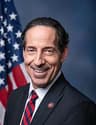
D· Maryland
YRS IN OFFICE
9
BILLS LED
37
COSPONSOR BREAKDOWNBIPARTISAN · 0%
DEM 59 REP 0 IND 0
ACTION TIMELINE
2 EVENTSOCT 8
Submitted in House
OCT 8
Referred to the Committee on Education and Workforce, and in addition to the Committees on the Judiciary, and Armed Services, for a period to be subsequently determined by the Speaker, in each case for consideration of such provisions as fall within the jurisdiction of the committee concerned.
BILL INFO
TypeHouse Resolution
NumberHRES 797
Congress119th
StatusIn Committee
IntroducedOct 8, 2025
Last actionOct 8, 2025
READER REACTIONS
OVERALL SENTIMENT
No reactions yet. Be the first to weigh in.
Discussion
Loading comments...
IN COMMITTEE· 119TH CONGRESS · JUDICIARY COMMITTEE · INTRODUCED OCT 8, 2025
House Res.HRES 797Civil Rights and Liberties, Minority Issues
Expressing concern about the growing problem of book banning and the proliferation of threats to freedom of expression in the United States.
INTRODUCED OCT 8, 2025· LAST ACTION OCT 8, 2025
PASSAGE CHANCES
—%
READING
9 min
COSPONSORS
59
COMPLEXITY
Moderate