Bills · HRES 693
IN COMMITTEE· 119TH CONGRESS
House Res.HRES 693Health
Expressing support for the designation of September 9 as "National African Immigrant and Refugee HIV/AIDS and Hepatitis Awareness Day" or "NAIRHHA Day".
INTRO SEP 10· LAST ACTION SEP 10
READING
5MIN
COSPONSORS
1
READER REACTIONS0 TOTAL
NO VOTES YET · BE THE FIRST
- Non-binding
LEGISLATIVE PROGRESS
STEP 2 / 8Introduced
In Committee
Reported
Passed House
Passed Senate
Conference
To President
Became Law
WHAT THE BILL DOES
AI-writtenVoters should care about this bill because it highlights significant health disparities affecting a growing segment of the U.S. population. African immigrants and refugees have disproportionately high rates of HIV and hepatitis, often facing unique barriers to care like language issues, cultural misunderstandings, stigma, and fears related to immigration status. By designating an awareness day, this resolution aims to draw attention to these "silent epidemics," which can lead to better public health outcomes if addressed effectively.
If this resolution passes, it provides official recognition and a national platform to discuss these specific health challenges. This could lead to more targeted public health campaigns, improved funding requests for relevant programs, better data collection (including country of origin), and a push for healthcare services that are more tailored to the needs of African immigrant and refugee communities. If it doesn't pass, these communities might continue to be overlooked in broader health initiatives, making it harder to reduce infection rates and improve access to life-saving prevention and treatment.
KEY PROVISIONS
3AI-extractedPROVISION 01
The House of Representatives officially supports creating "National African Immigrant and Refugee HIV/AIDS and Hepatitis Awareness Day" on September 9th.
This provides a national platform to draw specific attention to health disparities affecting African immigrant and refugee communities.
PROVISION 02
The resolution recognizes the need for more focus and resources to tackle HIV/AIDS and viral hepatitis within African immigrant and refugee populations across the U.S.
This acknowledgment can help guide future policy decisions and resource allocation towards this vulnerable group.
PROVISION 03
The House encourages a strong commitment to lowering new infections and deaths from viral hepatitis and HIV through better screening, vaccination, and connecting people to care in these communities.
This pushes for concrete actions in prevention and treatment rather than just awareness, aiming for tangible health improvements.
SPONSORSHIP
1 + 1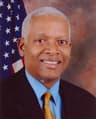
D· Georgia
YRS IN OFFICE
19
BILLS LED
22
COSPONSOR BREAKDOWNBIPARTISAN · 0%
DEM 1 REP 0 IND 0
ACTION TIMELINE
2 EVENTSSEP 10
Submitted in House
SEP 10
Referred to the House Committee on Energy and Commerce.
BILL INFO
TypeHouse Resolution
NumberHRES 693
Congress119th
StatusIn Committee
IntroducedSep 10, 2025
Last actionSep 10, 2025
READER REACTIONS
OVERALL SENTIMENT
No reactions yet. Be the first to weigh in.
Discussion
Loading comments...
IN COMMITTEE· 119TH CONGRESS · ENERGY AND COMMERCE COMMITTEE · INTRODUCED SEP 10, 2025
House Res.HRES 693Health
Expressing support for the designation of September 9 as "National African Immigrant and Refugee HIV/AIDS and Hepatitis Awareness Day" or "NAIRHHA Day".
INTRODUCED SEP 10, 2025· LAST ACTION SEP 10, 2025
PASSAGE CHANCES
—%
READING
5 min
COSPONSORS
1
COMPLEXITY
Moderate