Bills · HRES 328
IN COMMITTEE· 119TH CONGRESS
House Res.HRES 328Arts, Culture, Religion
Expressing support for the staff of public, school, academic, and special libraries in the United States and the essential services those libraries provide to communities, recognizing the need for funding commensurate with the broad scope of social service and community supports provided by libraries, preserving the right of all citizens of the United States to freely access information and resources in their communities, supporting a strong union voice for library workers, and defending the civil rights of library staff.
INTRO APR 10· LAST ACTION APR 10
READING
6MIN
COSPONSORS
26
READER REACTIONS0 TOTAL
NO VOTES YET · BE THE FIRST
- Non-binding
LEGISLATIVE PROGRESS
STEP 2 / 8Introduced
In Committee
Reported
Passed House
Passed Senate
Conference
To President
Became Law
WHAT THE BILL DOES
AI-writtenVoters should care about this bill because it reflects a significant discussion about the role and value of libraries in modern society. In an era of debates over book content, funding cuts, and challenges to free information access, this resolution serves as an official stance from the House of Representatives.
If this resolution passes, it signifies that a majority in the House officially recognizes libraries as critical infrastructure and supports their staff, potentially giving momentum to future legislative efforts or funding decisions at federal, state, and local levels. If it doesn't pass, it means this specific expression of support for libraries and their staff does not gain official House backing, potentially leaving libraries more vulnerable to current challenges without a clear signal of congressional support.
KEY PROVISIONS
4AI-extractedPROVISION 01
The House commends the work of library staff and recognizes libraries as critical infrastructure essential to the future of the United States.
This formal recognition highlights the importance of libraries beyond their traditional roles and acknowledges the dedication of their employees.
PROVISION 02
The resolution supports prioritizing full funding for library services at federal, state, and local levels to ensure their continuation and improvement.
Increased and consistent funding is crucial for libraries to maintain and expand the diverse services they offer communities.
PROVISION 03
It reaffirms the fundamental right of people to access information and the right of library workers to organize, collectively bargain, and exercise their civil rights without threats.
This provision defends intellectual freedom and protects library staff who often face challenges related to censorship and workplace conditions.
PROVISION 04
The resolution recognizes the right of library staff to speak out on public concerns, address elected officials, and inform the public about access to information and threats to that access.
This ensures that library professionals can advocate for their institutions and the public's right to information without fear of professional repercussions.
SPONSORSHIP
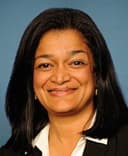
1 + 26
D· Washington
YRS IN OFFICE
—
BILLS LED
48
COSPONSOR BREAKDOWNBIPARTISAN · 0%
DEM 26 REP 0 IND 0
ACTION TIMELINE
2 EVENTSAPR 10
Submitted in House
APR 10
Referred to the House Committee on Education and Workforce.
BILL INFO
TypeHouse Resolution
NumberHRES 328
Congress119th
StatusIn Committee
IntroducedApr 10, 2025
Last actionApr 10, 2025
READER REACTIONS
OVERALL SENTIMENT
No reactions yet. Be the first to weigh in.
Discussion
Loading comments...
IN COMMITTEE· 119TH CONGRESS · EDUCATION AND WORKFORCE COMMITTEE · INTRODUCED APR 10, 2025
House Res.HRES 328Arts, Culture, Religion
Expressing support for the staff of public, school, academic, and special libraries in the United States and the essential services those libraries provide to communities, recognizing the need for funding commensurate with the broad scope of social service and community supports provided by libraries, preserving the right of all citizens of the United States to freely access information and resources in their communities, supporting a strong union voice for library workers, and defending the civil rights of library staff.
INTRODUCED APR 10, 2025· LAST ACTION APR 10, 2025
PASSAGE CHANCES
—%
READING
6 min
COSPONSORS