Bills · HRES 320
IN COMMITTEE· 119TH CONGRESS
House Res.HRES 320International Affairs
Encouraging the Department of State and civil society to further the Abraham Accords by encouraging peace and tolerance in education.
INTRO APR 9· LAST ACTION APR 9
READING
3MIN
COSPONSORS
4BIPARTISAN
READER REACTIONS0 TOTAL
NO VOTES YET · BE THE FIRST
- Non-binding
LEGISLATIVE PROGRESS
STEP 2 / 8Introduced
In Committee
Reported
Passed House
Passed Senate
Conference
To President
Became Law
WHAT THE BILL DOES
AI-writtenThis resolution matters because it highlights the role of education in promoting diplomatic progress and regional stability in the Middle East. By encouraging countries to teach peace and tolerance, it aims to counter extremism and foster mutual understanding, which could lead to more stable and cooperative relationships, especially among nations that have recently normalized ties with Israel through the Abraham Accords.
If this resolution is acted upon, it could mean the U.S. government will more actively engage in discussions about educational reform during its foreign policy dialogues. This could lead to tangible changes in school curricula in some countries, potentially reducing hate speech and promoting inclusivity for future generations. If it doesn't become law, the U.S. may still pursue these goals, but this resolution signals a specific congressional priority for the State Department and civil society to focus on educational diplomacy as a tool for peace.
KEY PROVISIONS
5AI-extractedPROVISION 01
Encourages Israel and its Arab and Muslim-majority neighbors to continue and expand cooperation, especially in peace and tolerance education.
This aims to deepen the positive impact of the Abraham Accords by integrating educational collaboration into broader regional cooperation.
PROVISION 02
Urges the Department of State to engage with countries in the region to push for curriculum reform as a key diplomatic agenda item.
This would make educational content a formal part of bilateral discussions, potentially leading to concrete changes in national school curricula.
PROVISION 03
Calls on international organizations, including the United Nations, to improve counter-incitement efforts in education and eliminate antisemitism.
This seeks to address global issues of hate speech and antisemitism within educational contexts, particularly those supported by international bodies.
PROVISION 04
Supports the expansion of the Abraham Accords to other countries, encouraging them to normalize relations with Israel.
This provision reinforces the broader U.S. foreign policy goal of achieving wider diplomatic recognition for Israel in the region.
PROVISION 05
Encourages civil society and partners to continue working with governments worldwide to ensure children receive a quality peace and tolerance education.
This acknowledges and supports the vital role of non-governmental organizations in promoting these educational goals on the ground.
SPONSORSHIP
1 + 4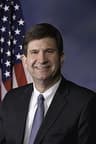
D· Illinois
YRS IN OFFICE
13
BILLS LED
29
COSPONSOR BREAKDOWNBIPARTISAN · 50%
DEM 1 REP 3 IND 0
ACTION TIMELINE
2 EVENTSAPR 9
Submitted in House
APR 9
Referred to the House Committee on Foreign Affairs.
BILL INFO
TypeHouse Resolution
NumberHRES 320
Congress119th
StatusIn Committee
IntroducedApr 9, 2025
Last actionApr 9, 2025
READER REACTIONS
OVERALL SENTIMENT
No reactions yet. Be the first to weigh in.
Discussion
Loading comments...
IN COMMITTEE· 119TH CONGRESS · FOREIGN AFFAIRS COMMITTEE · INTRODUCED APR 9, 2025
House Res.HRES 320International Affairs
Encouraging the Department of State and civil society to further the Abraham Accords by encouraging peace and tolerance in education.
INTRODUCED APR 9, 2025· LAST ACTION APR 9, 2025
PASSAGE CHANCES
—%
READING
3 min
COSPONSORS
4
COMPLEXITY
Moderate