Bills · HRES 310
PASSED HOUSE· 119TH CONGRESS
House Res.HRES 310Congressional electionsAlaska
Dismissing the election contest relating to the office of Representative from the at-large Congressional District of Alaska.
INTRO APR 9· LAST ACTION DEC 9
READING
1MIN
COSPONSORS
0
READER REACTIONS0 TOTAL
NO VOTES YET · BE THE FIRST
- Non-binding
LEGISLATIVE PROGRESS
STEP 4 / 8Introduced
In Committee
Reported
Passed House
Passed Senate
Conference
To President
Became Law
WHAT THE BILL DOES
AI-writtenThis resolution matters because it sets a clear boundary for the U.S. House of Representatives' power in overseeing election disputes. By dismissing this specific contest, the House reinforces that it will only get involved in challenges to general or special elections, not primary elections or other party nomination processes. This means if there are disputes or irregularities in how political parties select their candidates, those issues generally cannot be brought to the federal House of Representatives for resolution; they must be handled through state laws or party rules.
For voters, this clarifies that federal oversight for elections begins with the general election. If this resolution had not passed, it could have potentially opened the door for the House to review primary election outcomes, which could have dramatically changed how election challenges are handled nationwide.
KEY PROVISIONS
3AI-extractedPROVISION 01
The resolution dismisses the election contest relating to the office of Representative from the at-large Congressional District of Alaska.
This is the core action of the resolution, formally ending a challenge to a congressional election outcome.
PROVISION 02
It cites section 2(1) of the Federal Contested Election Act (2 U.S.C. 381(1)) as the legal basis for the dismissal.
This provision establishes the specific legal grounds for the House's decision, rooted in existing federal law.
PROVISION 03
It clarifies that the House of Representatives has jurisdiction over official general and special elections but not primary elections, caucuses, or conventions of a political party.
This provision defines the scope of the House's authority in election contests, limiting its involvement to general and special elections.
SPONSORSHIP
1 + 0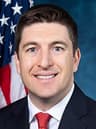
R· Wisconsin
YRS IN OFFICE
7
BILLS LED
35
ACTION TIMELINE
7 EVENTSDEC 9
Considered by unanimous consent. (consideration: CR H5102)
DEC 9
Mr. Steil asked unanimous consent to consider as introduced.
DEC 9
Passed/agreed to in House: On agreeing to the resolution Agreed to without objection. (text: CR H5102)
DEC 9
On agreeing to the resolution Agreed to without objection. (text: CR H5102)
BILL INFO
TypeHouse Resolution
NumberHRES 310
Congress119th
StatusPassed House
IntroducedApr 9, 2025
Last actionDec 9, 2025
READER REACTIONS
OVERALL SENTIMENT
No reactions yet. Be the first to weigh in.
Discussion
Loading comments...
PASSED HOUSE· 119TH CONGRESS · COMMITTEE ON HOUSE ADMINISTRATION · INTRODUCED APR 9, 2025
House Res.HRES 310Congressional electionsAlaska
Dismissing the election contest relating to the office of Representative from the at-large Congressional District of Alaska.
INTRODUCED APR 9, 2025· LAST ACTION DEC 9, 2025
PASSAGE CHANCES
—%
READING
1 min
COSPONSORS
0
COMPLEXITY
Moderate