Bills · HRES 271
IN COMMITTEE· 119TH CONGRESS
House Res.HRES 271Civil Rights and Liberties, Minority Issues
Honoring the accomplishments and legacy of César Estrada Chávez.
INTRO MAR 31· LAST ACTION MAR 31
READING
5MIN
COSPONSORS
6
READER REACTIONS0 TOTAL
NO VOTES YET · BE THE FIRST
- Non-binding
- Commemorative
LEGISLATIVE PROGRESS
STEP 2 / 8Introduced
In Committee
Reported
Passed House
Passed Senate
Conference
To President
Became Law
WHAT THE BILL DOES
AI-writtenThis resolution matters because it's an official statement from a branch of the U.S. government that acknowledges and celebrates the life and work of a significant civil rights and labor leader. By formally recognizing César Chávez, the House reinforces the values he stood for, such as nonviolence, workers' rights, social justice, and the pursuit of human dignity.
If this resolution becomes law (meaning, if the House passes it), it doesn't change any existing laws or create new programs. Instead, it serves to inspire future generations, highlight the ongoing importance of the struggles Chávez championed, and keeps his legacy alive in national discourse. If it doesn't pass, it simply means the House has not formally adopted this specific statement of recognition, though Chávez's legacy would continue to be recognized by many.
KEY PROVISIONS
3AI-extractedPROVISION 01
The House of Representatives formally recognizes the accomplishments and example of César Estrada Chávez as a great hero of the United States.
This provision provides an official declaration of respect and admiration for Chávez from a legislative body.
PROVISION 02
The House pledges to actively promote the legacy of César Estrada Chávez.
This signifies a commitment by the House to ensure his contributions remain a recognized part of American history and values.
PROVISION 03
The resolution encourages all people of the United States to commemorate César Estrada Chávez's legacy and remember his rallying cry, 'Sí se puede!' (Yes, we can!).
This aims to inspire public remembrance and encourage citizens to reflect on the principles Chávez advocated.
SPONSORSHIP
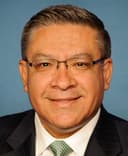
1 + 6
D· California
YRS IN OFFICE
9
BILLS LED
36
COSPONSOR BREAKDOWNBIPARTISAN · 0%
DEM 6 REP 0 IND 0
ACTION TIMELINE
2 EVENTSMAR 31
Submitted in House
MAR 31
Referred to the House Committee on Oversight and Government Reform.
BILL INFO
TypeHouse Resolution
NumberHRES 271
Congress119th
StatusIn Committee
IntroducedMar 31, 2025
Last actionMar 31, 2025
READER REACTIONS
OVERALL SENTIMENT
No reactions yet. Be the first to weigh in.
Discussion
Loading comments...
IN COMMITTEE· 119TH CONGRESS · OVERSIGHT AND GOVERNMENT REFORM COMMITTEE · INTRODUCED MAR 31, 2025
House Res.HRES 271Civil Rights and Liberties, Minority Issues
Honoring the accomplishments and legacy of César Estrada Chávez.
INTRODUCED MAR 31, 2025· LAST ACTION MAR 31, 2025
PASSAGE CHANCES
—%
READING
5 min
COSPONSORS
6
COMPLEXITY
Moderate