Bills · HRES 169
IN COMMITTEE· 119TH CONGRESS
House Res.HRES 169Arts, Culture, Religion
Recognizing the Dominican community's presence and contributions to Washington Heights and Inwood.
INTRO FEB 27· LAST ACTION FEB 27
READING
12MIN
COSPONSORS
0
READER REACTIONS0 TOTAL
NO VOTES YET · BE THE FIRST
- Non-binding
- Commemorative
LEGISLATIVE PROGRESS
STEP 2 / 8Introduced
In Committee
Reported
Passed House
Passed Senate
Conference
To President
Became Law
WHAT THE BILL DOES
AI-writtenVoters should care about this bill because it represents a formal governmental recognition of a specific community's historical and ongoing contributions to the fabric of the United States. While not a law that changes policy or allocates funds, such resolutions play a role in cultural preservation and promoting civic identity.
If this resolution becomes law, it will mean that the U.S. House of Representatives has officially gone on record to acknowledge the Dominican community's legacy in Washington Heights and Inwood. This can be significant for community pride, educational purposes, and for ensuring historical narratives are formally recognized. If it doesn't become law, the specific formal recognition by Congress would not occur, though the history and contributions themselves would, of course, remain.
KEY PROVISIONS
4AI-extractedPROVISION 01
Formally recognizes the Dominican community's historical presence in Washington Heights and Inwood, starting from 1613 with Juan Rodriguez.
This establishes a long historical timeline and acknowledges the community's foundational role in New York City.
PROVISION 02
Highlights the establishment and ongoing work of numerous Dominican community, cultural, and advocacy organizations in the area.
This recognizes the active role these organizations play in community development and cultural preservation.
PROVISION 03
Acknowledges the entrepreneurial spirit and economic contributions of Dominican-owned small and medium-sized businesses.
This points to the economic impact and vitality brought by the Dominican community to the local economy.
PROVISION 04
Notes that several local schools and 21 streets, avenues, and ways have been named after historic Dominican figures and events.
This illustrates the deep integration and lasting cultural imprint of the Dominican community on the physical landscape of the neighborhoods.
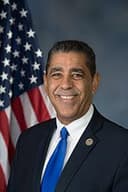
SPONSORSHIP
1 + 0
D· New York
YRS IN OFFICE
9
BILLS LED
47
ACTION TIMELINE
2 EVENTSFEB 27
Submitted in House
FEB 27
Referred to the Committee on Oversight and Government Reform, and in addition to the Committee on Natural Resources, for a period to be subsequently determined by the Speaker, in each case for consideration of such provisions as fall within the jurisdiction of the committee concerned.
BILL INFO
TypeHouse Resolution
NumberHRES 169
Congress119th
StatusIn Committee
IntroducedFeb 27, 2025
Last actionFeb 27, 2025
READER REACTIONS
OVERALL SENTIMENT
No reactions yet. Be the first to weigh in.
Discussion
Loading comments...
IN COMMITTEE· 119TH CONGRESS · OVERSIGHT AND GOVERNMENT REFORM COMMITTEE · INTRODUCED FEB 27, 2025
House Res.HRES 169Arts, Culture, Religion
Recognizing the Dominican community's presence and contributions to Washington Heights and Inwood.
INTRODUCED FEB 27, 2025· LAST ACTION FEB 27, 2025
PASSAGE CHANCES
—%
READING
12 min
COSPONSORS
0
COMPLEXITY
Moderate