Bills · HRES 1109
IN COMMITTEE· 119TH CONGRESS
House Res.HRES 1109Health
Supporting the goals and ideals of National Women and Girls HIV/AIDS Awareness Day.
INTRO MAR 5· LAST ACTION MAR 5
READING
6MIN
COSPONSORS
18
READER REACTIONS0 TOTAL
NO VOTES YET · BE THE FIRST
- Non-binding
LEGISLATIVE PROGRESS
STEP 2 / 8Introduced
In Committee
Reported
Passed House
Passed Senate
Conference
To President
Became Law
WHAT THE BILL DOES
AI-writtenVoters should care about this resolution because it shines a light on an ongoing public health crisis: the impact of HIV/AIDS, especially on women and girls. Although it doesn't create new laws or funding, it sends a clear message that members of Congress acknowledge this issue and believe more attention and action are needed.
If this resolution passes, it adds congressional weight to the fight against HIV/AIDS and can serve as a foundation for future legislative efforts that might provide funding or establish new programs. If it doesn't pass, it means Congress has not formally expressed this sentiment, which could potentially make it harder for advocates to push for greater attention and resources for women and girls affected by HIV/AIDS. It helps keep the issue visible on the national agenda.
KEY PROVISIONS
4AI-extractedPROVISION 01
The House of Representatives officially supports the goals and ideals of National Women and Girls HIV/AIDS Awareness Day and recognizes the ongoing HIV epidemic.
This provision formalizes congressional recognition of the awareness day and the continued public health challenge posed by HIV/AIDS.
PROVISION 02
The resolution calls for greater focus on the unique vulnerabilities of women and girls regarding HIV, including those who have faced violence or discrimination.
This highlights specific populations and challenges within the broader epidemic that require targeted attention and support.
PROVISION 03
It encourages strong and sustained investment in prevention, care, treatment services, and research programs for women and girls affected by HIV, both in the United States and globally.
This provision signals a desire for continued financial and policy support to combat the epidemic effectively.
PROVISION 04
The resolution promotes access to up-to-date, inclusive, culturally responsive, and medically accurate information about HIV in sexual education curricula.
This emphasizes the importance of education as a key tool for prevention and awareness among all individuals, including young people.
SPONSORSHIP
1 + 18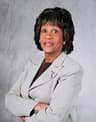
D· California
YRS IN OFFICE
35
BILLS LED
44
COSPONSOR BREAKDOWNBIPARTISAN · 0%
DEM 18 REP 0 IND 0
ACTION TIMELINE
2 EVENTSMAR 5
Submitted in House
MAR 5
Referred to the Committee on Energy and Commerce, and in addition to the Committee on Foreign Affairs, for a period to be subsequently determined by the Speaker, in each case for consideration of such provisions as fall within the jurisdiction of the committee concerned.
BILL INFO
TypeHouse Resolution
NumberHRES 1109
Congress119th
StatusIn Committee
IntroducedMar 5, 2026
Last actionMar 5, 2026
READER REACTIONS
OVERALL SENTIMENT
No reactions yet. Be the first to weigh in.
Discussion
Loading comments...
IN COMMITTEE· 119TH CONGRESS · FOREIGN AFFAIRS COMMITTEE · INTRODUCED MAR 5, 2026
House Res.HRES 1109Health
Supporting the goals and ideals of National Women and Girls HIV/AIDS Awareness Day.
INTRODUCED MAR 5, 2026· LAST ACTION MAR 5, 2026
PASSAGE CHANCES
—%
READING
6 min
COSPONSORS
18
COMPLEXITY
Moderate