Bills · HRES 1084
IN COMMITTEE· 119TH CONGRESS
House Res.HRES 1084Health
HIV is Not a Crime Day Resolution
INTRO FEB 25· LAST ACTION FEB 25
READING
5MIN
COSPONSORS
12
READER REACTIONS0 TOTAL
NO VOTES YET · BE THE FIRST
- Non-binding
LEGISLATIVE PROGRESS
STEP 2 / 8Introduced
In Committee
Reported
Passed House
Passed Senate
Conference
To President
Became Law
WHAT THE BILL DOES
AI-writtenThis resolution matters because it highlights a significant issue where scientific understanding has advanced, but many state laws have not. Currently, laws in various states can lead to people living with HIV being charged with crimes, sometimes for actions that cannot transmit the virus or without proof of intent to harm. This creates fear and stigma, which can deter people from getting tested or seeking treatment for HIV, undermining public health efforts to end the epidemic.
If this resolution is adopted, it signals a strong federal stance against HIV criminalization, potentially encouraging more states to review and modernize their laws. While it doesn't directly change any laws, it raises awareness and provides momentum for legislative reform at the state level. If it doesn't become law, the current patchwork of outdated state laws would likely persist, continuing to disproportionately affect certain communities and hinder public health goals.
KEY PROVISIONS
5AI-extractedPROVISION 01
Designates February 28 as "HIV is Not a Crime Awareness Day" to highlight issues related to HIV criminalization.
This establishes an official day to focus national attention on the need to update laws and reduce stigma surrounding HIV.
PROVISION 02
Affirms that people living with HIV should not be criminalized or face enhanced punishments solely due to their HIV status.
This expresses the House's position that current criminalization laws are often unfair and not aligned with modern science.
PROVISION 03
Supports the removal of HIV laws that are scientifically inaccurate and unfairly criminalize consensual behaviors or those with no risk of transmission.
This directly advocates for legislative reform at the state level to ensure laws reflect current medical understanding of HIV.
PROVISION 04
Encourages education for communities, law enforcement, and judicial systems on HIV prevention, treatment, transmission, and disclosure.
Improved education can lead to a better understanding of HIV and reduce biased enforcement and prosecution under existing laws.
PROVISION 05
Supports increased funding for programs that help people living with HIV, including medical mentorship, peer navigation, testing, and treatment access.
This provision aims to strengthen support systems and resources for individuals affected by HIV, including those impacted by criminalization.
SPONSORSHIP
1 + 12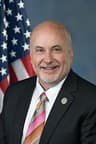
D· Wisconsin
YRS IN OFFICE
13
BILLS LED
24
COSPONSOR BREAKDOWNBIPARTISAN · 0%
DEM 12 REP 0 IND 0
ACTION TIMELINE
2 EVENTSFEB 25
Submitted in House
FEB 25
Referred to the House Committee on Energy and Commerce.
BILL INFO
TypeHouse Resolution
NumberHRES 1084
Congress119th
StatusIn Committee
IntroducedFeb 25, 2026
Last actionFeb 25, 2026
READER REACTIONS
OVERALL SENTIMENT
No reactions yet. Be the first to weigh in.
Discussion
Loading comments...
IN COMMITTEE· 119TH CONGRESS · ENERGY AND COMMERCE COMMITTEE · INTRODUCED FEB 25, 2026
House Res.HRES 1084Health
HIV is Not a Crime Day Resolution
INTRODUCED FEB 25, 2026· LAST ACTION FEB 25, 2026
PASSAGE CHANCES
—%
READING
5 min
COSPONSORS
12
COMPLEXITY
Moderate