Bills · HRES 1011
IN COMMITTEE· 119TH CONGRESS
House Res.HRES 1011Sports and Recreation
Expressing the sense of the House of Representatives that the structure and governance of the Football Bowl Subdivision postseason should prioritize broad-based athletic opportunity, financial sustainability for college athletics, and competitive balance, and that innovative proposals to expand broad based postseason participation-such as proposals advanced by Coach Mike Leach-warrant serious consideration to mitigate anticompetitive effects in top-division college football.
INTRO JAN 20· LAST ACTION JAN 20
READING
4MIN
COSPONSORS
0
READER REACTIONS0 TOTAL
NO VOTES YET · BE THE FIRST
- Non-binding
- Commemorative
LEGISLATIVE PROGRESS
STEP 2 / 8Introduced
In Committee
Reported
Passed House
Passed Senate
Conference
To President
Became Law
WHAT THE BILL DOES
AI-writtenVoters should care about this bill because it addresses fairness and financial health in a major part of American culture: college sports. If the House's 'sense' were to lead to actual changes, it could mean a more exciting and inclusive college football postseason, giving more teams and student-athletes a shot at a national title rather than concentrating opportunities among a select few. This matters because the current system is seen by some as creating a 'haves and have-nots' scenario, where many schools struggle financially while a few dominate.
If this bill's ideas are adopted, it could lead to better financial stability for many college athletic programs and help ensure that the passion for college football benefits a broader range of institutions and student-athletes. If it doesn't become law, the current criticisms of a narrow, financially concentrated system in FBS football would likely persist, potentially leading to continued struggles for many programs and a less diverse championship landscape.
KEY PROVISIONS
3AI-extractedPROVISION 01
The Football Bowl Subdivision (FBS) postseason should expand competitive opportunity for student-athletes and institutions, aligning with academic integrity and student welfare.
This aims to ensure more teams and players have a chance to compete for a national championship, promoting a fairer system.
PROVISION 02
Postseason design and revenue distribution should be reformed if they create unfair advantages for a few schools and harm competitive balance.
This provision seeks to address the financial disparities and concentration of power within college football.
PROVISION 03
Innovative proposals, like Coach Mike Leach's idea for a broader, objective-access playoff with season-structure reforms, should be seriously considered.
It endorses specific ideas for a larger, more inclusive playoff system as a path to improving opportunity, sustainability, and fair competition.
SPONSORSHIP
1 + 0
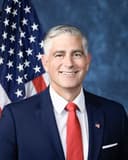
R· Washington
YRS IN OFFICE
1
BILLS LED
24
ACTION TIMELINE
2 EVENTSJAN 20
Submitted in House
JAN 20
Referred to the House Committee on Education and Workforce.
BILL INFO
TypeHouse Resolution
NumberHRES 1011
Congress119th
StatusIn Committee
IntroducedJan 20, 2026
Last actionJan 20, 2026
READER REACTIONS
OVERALL SENTIMENT
No reactions yet. Be the first to weigh in.
Discussion
Loading comments...
IN COMMITTEE· 119TH CONGRESS · EDUCATION AND WORKFORCE COMMITTEE · INTRODUCED JAN 20, 2026
House Res.HRES 1011Sports and Recreation
Expressing the sense of the House of Representatives that the structure and governance of the Football Bowl Subdivision postseason should prioritize broad-based athletic opportunity, financial sustainability for college athletics, and competitive balance, and that innovative proposals to expand broad based postseason participation-such as proposals advanced by Coach Mike Leach-warrant serious consideration to mitigate anticompetitive effects in top-division college football.
INTRODUCED JAN 20, 2026· LAST ACTION JAN 20, 2026
PASSAGE CHANCES
—%
READING
4 min
COSPONSORS
0